
T-Shirt and Clothing Printing Techniques
Screen printing, DTG, DTF, embroidery and all over printing for t-shirts, hoodies, workwear and sportswear across the UK. Screen printing from 20 units, DTG, DTF and embroidery from 8, with a free visual proof on every order.
Clothing printed for businesses, events and some of the UK's biggest brands.
300 custom T-shirts for a charity run, arrived ahead of schedule with perfect quality. Cannot recommend enough.
250 hoodies printed in full colour, super high quality and a really speedy turnaround.
Excellent experience, quick turnaround, good quality caps and embroidery. Ordering from them again.
Read all our reviews on Trustpilot ↗







Our Printing Methods
From a small batch of t-shirts for a launch to thousands of branded hoodies for an event, we print custom clothing using every major t-shirt printing method, all managed by one team. With over 25 years of experience in garment printing, we will recommend the technique that best suits your design, your fabric, your quantity and your budget, and your dedicated Account Manager will reply to your enquiry within 15 minutes.
Screen Printing
Our most popular technique. Durable, fast to produce and fantastic value from 20 units, with an exact Pantone match on your brand colours.
Direct to Garment
Ink printed straight onto the garment for crisp, full colour images. Ideal for short runs from 8 units, with no set up fees.
Embroidery
A long term, hard-wearing branding solution, at its best on polo shirts, hoodies, sweatshirts and workwear.
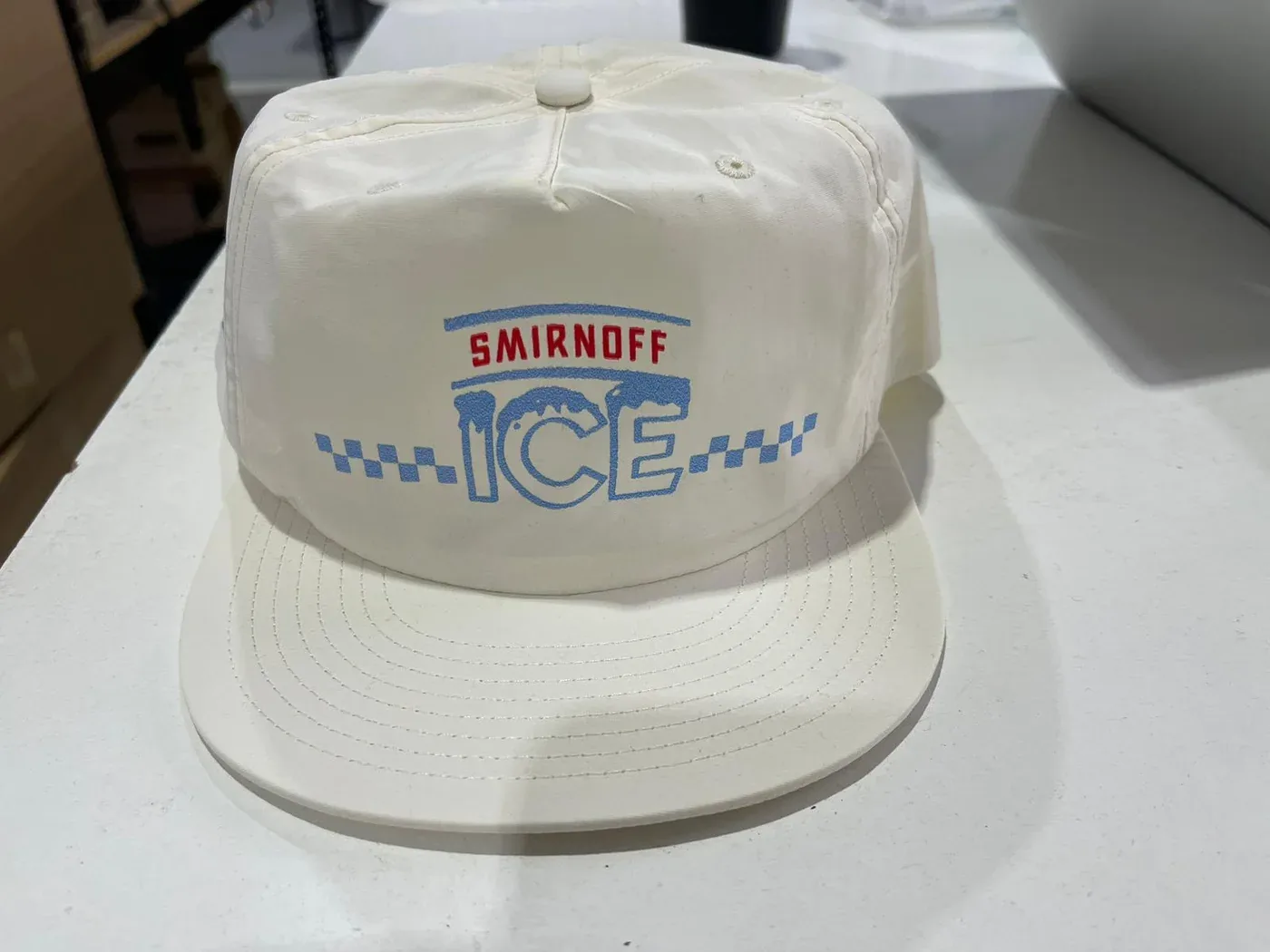
Direct to Film
Designs printed onto film and heat pressed on, plus vinyl and heat transfers, for vibrant, soft-feel results on cotton, polyester and blends.
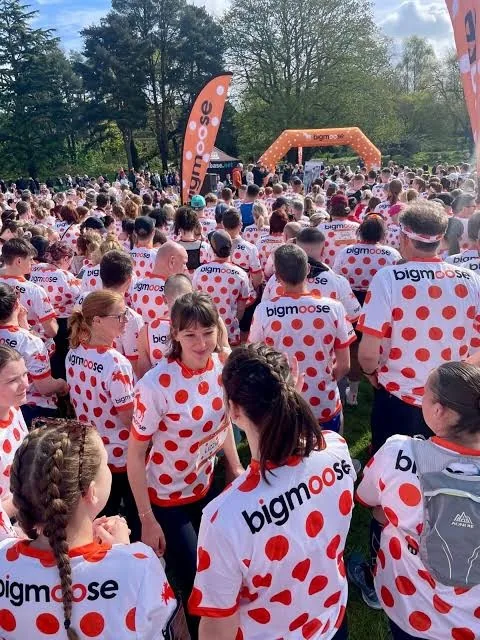
All Over
Dye sublimation printed edge to edge across t-shirts, hoodies and sportswear, seams included, for real visual impact.
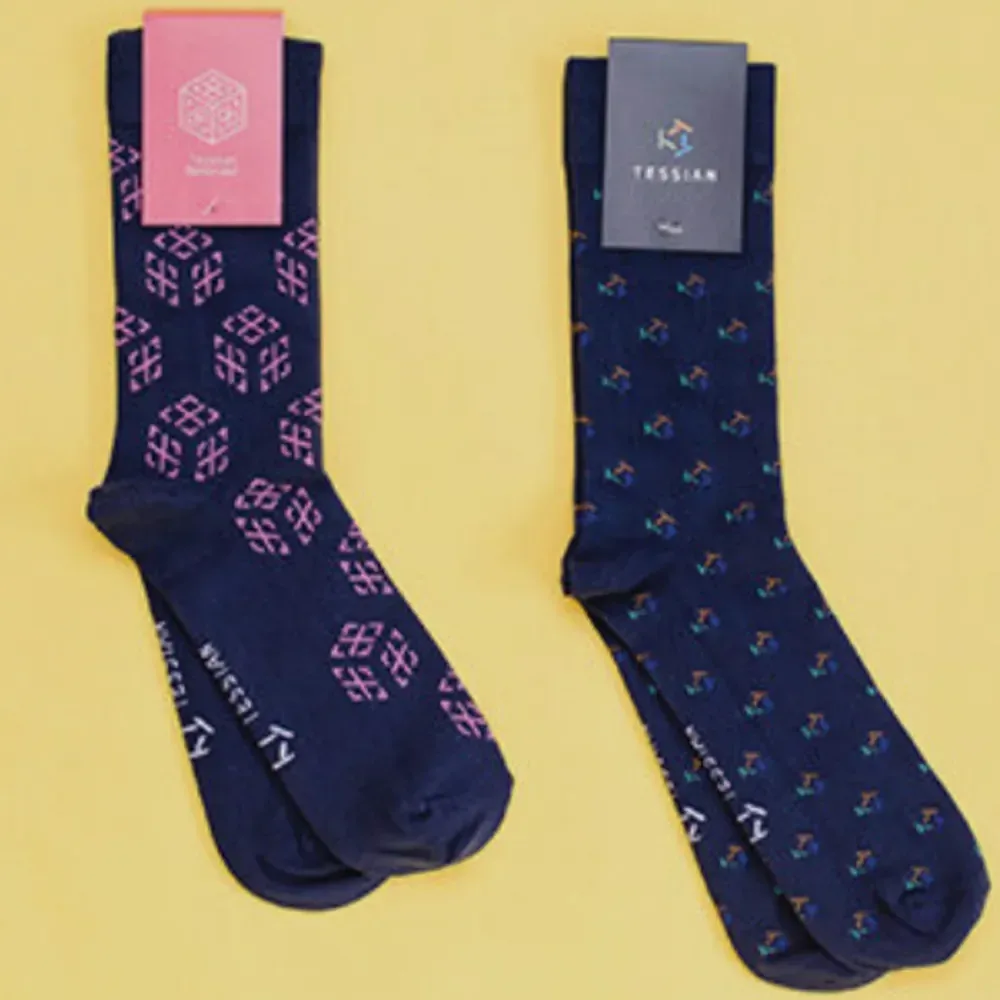
Garment Finishing
Folding and bagging, swing tags, neck printing, woven labels and hem labels that lift your products to retail quality.
Recent Jobs From Our Workshop
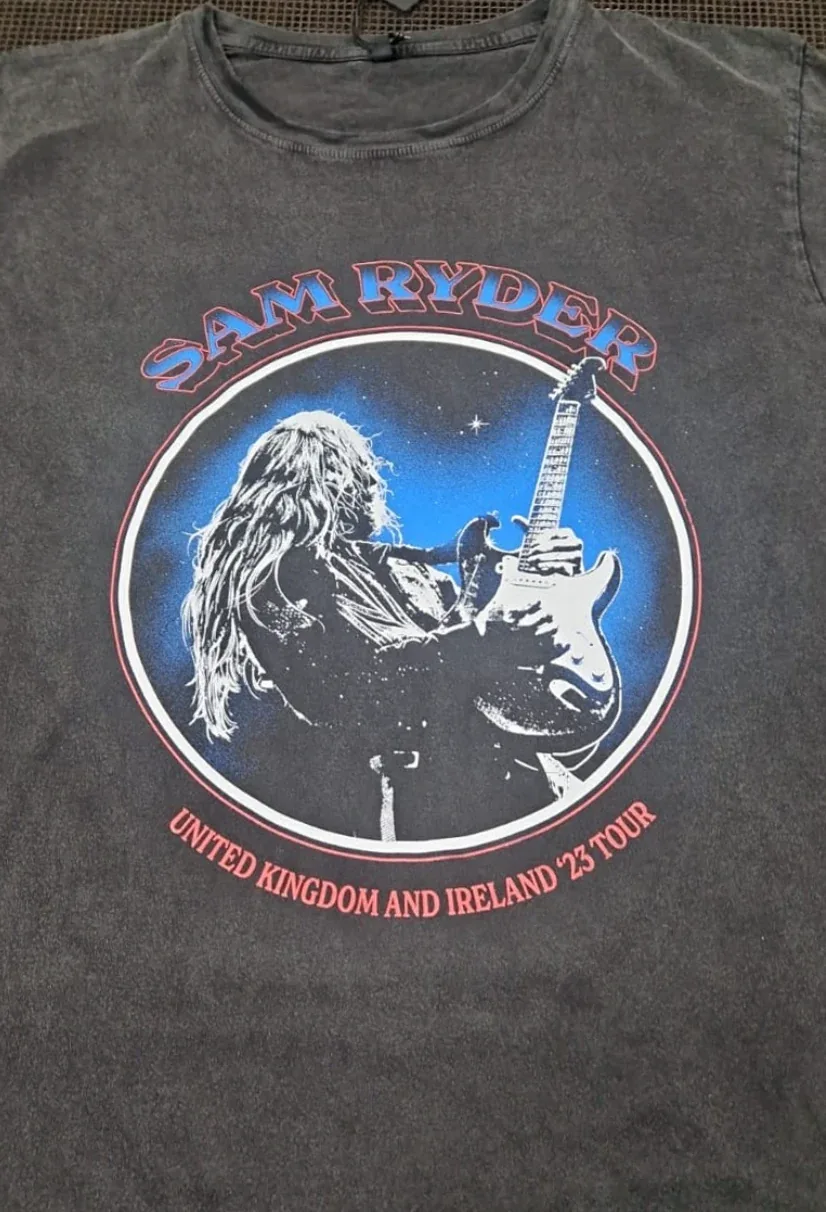
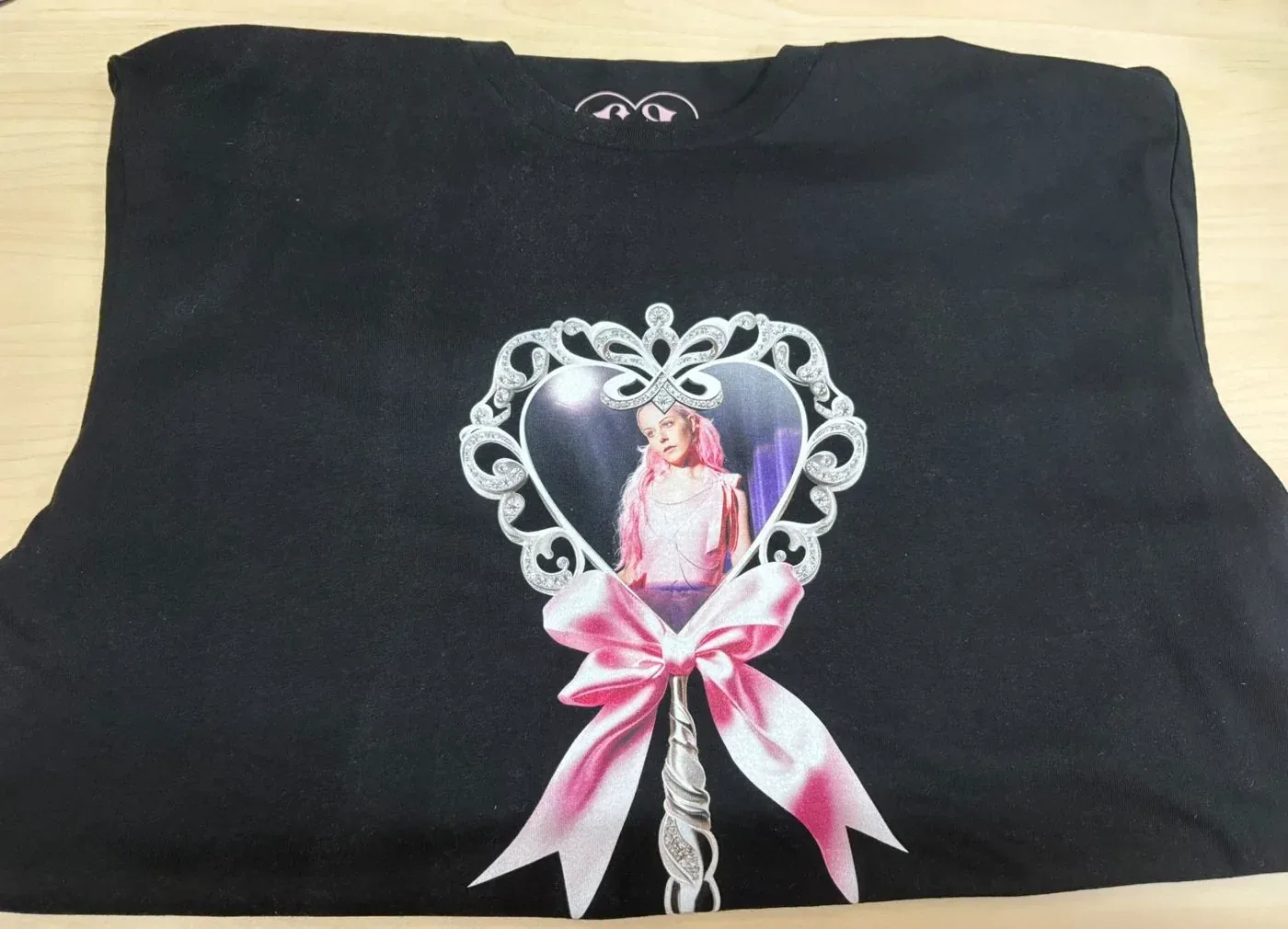
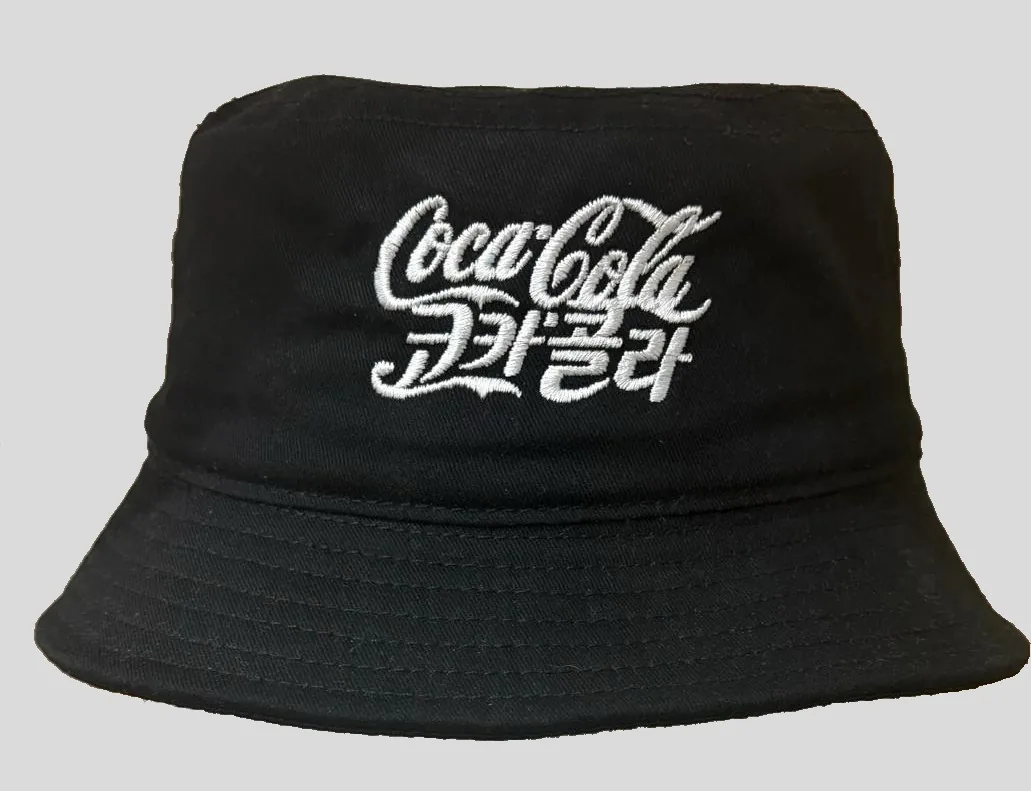
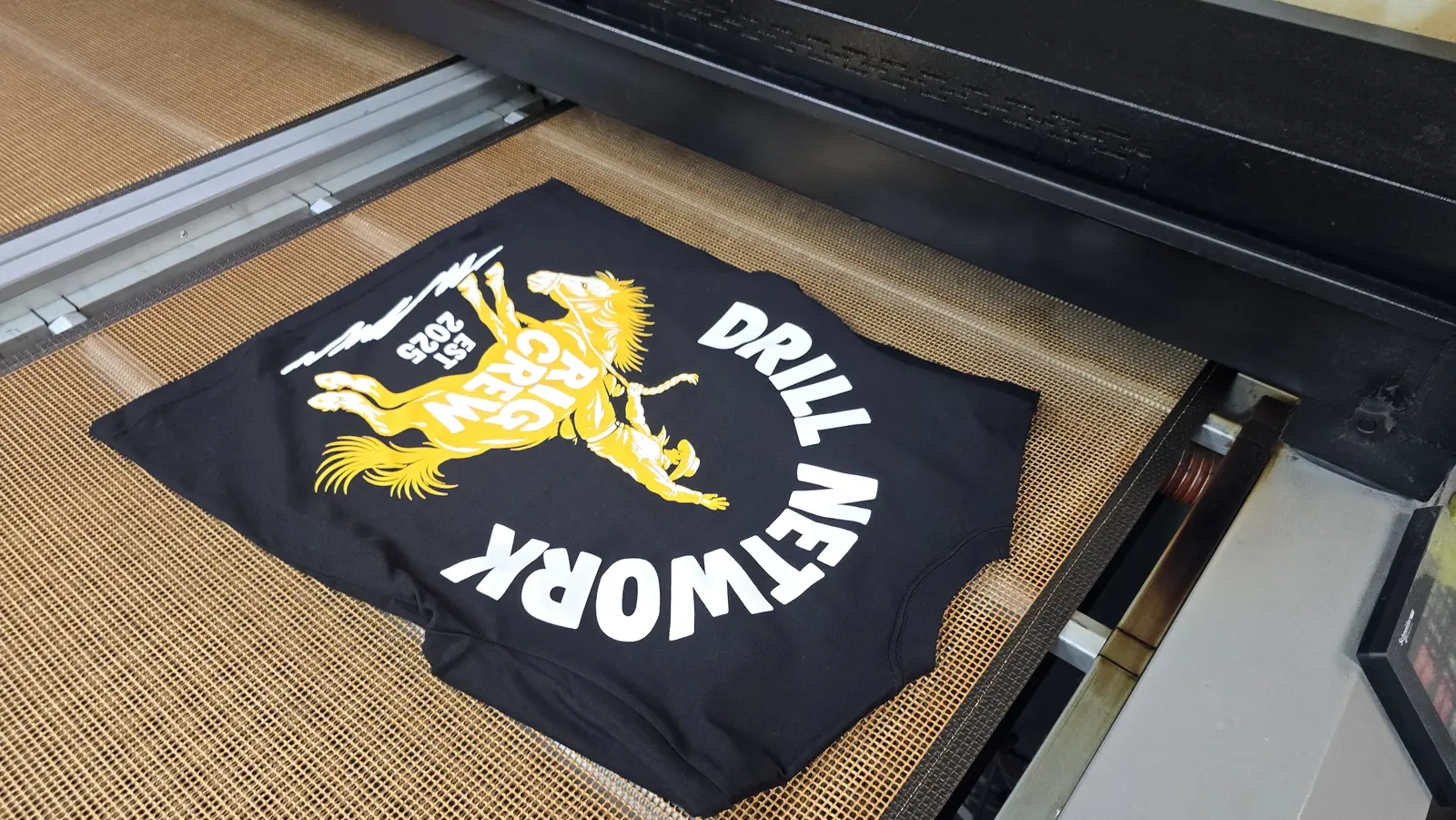
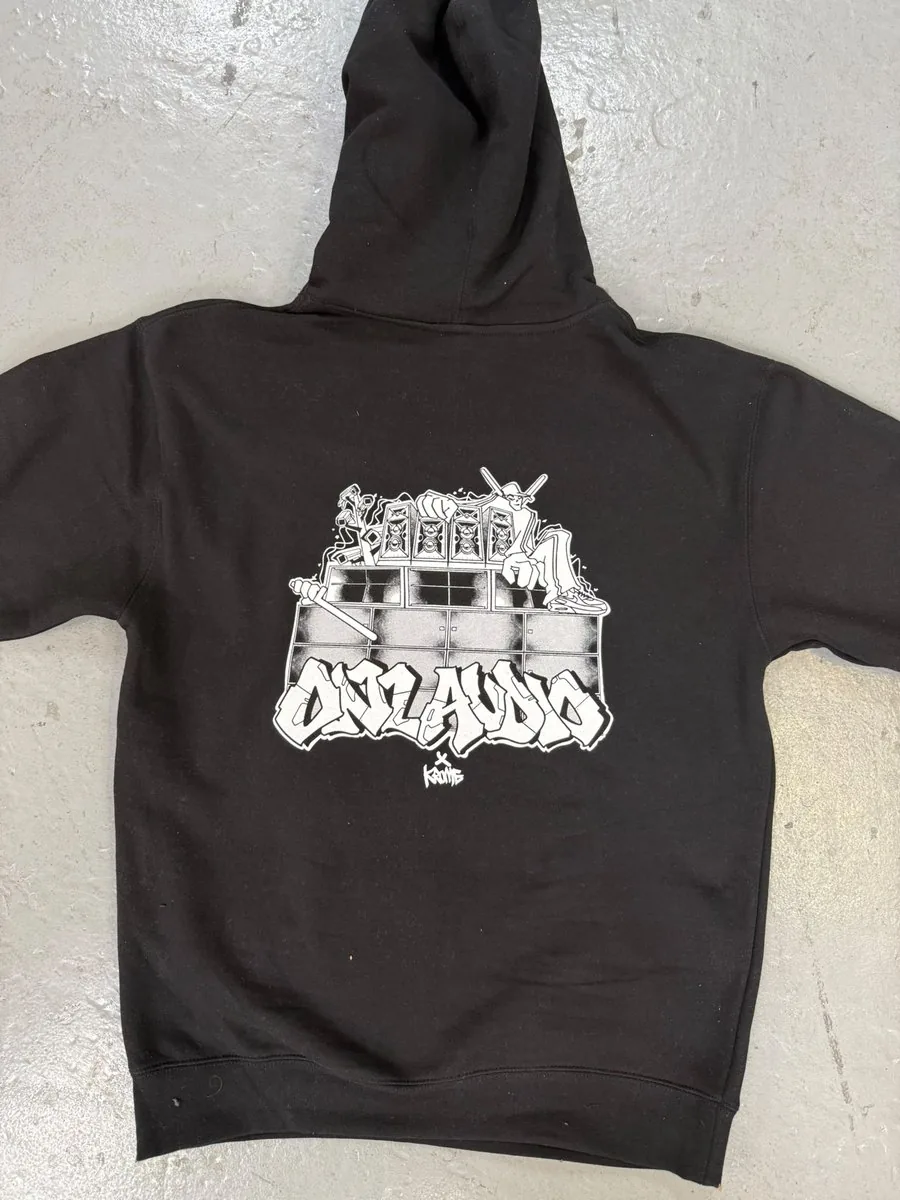
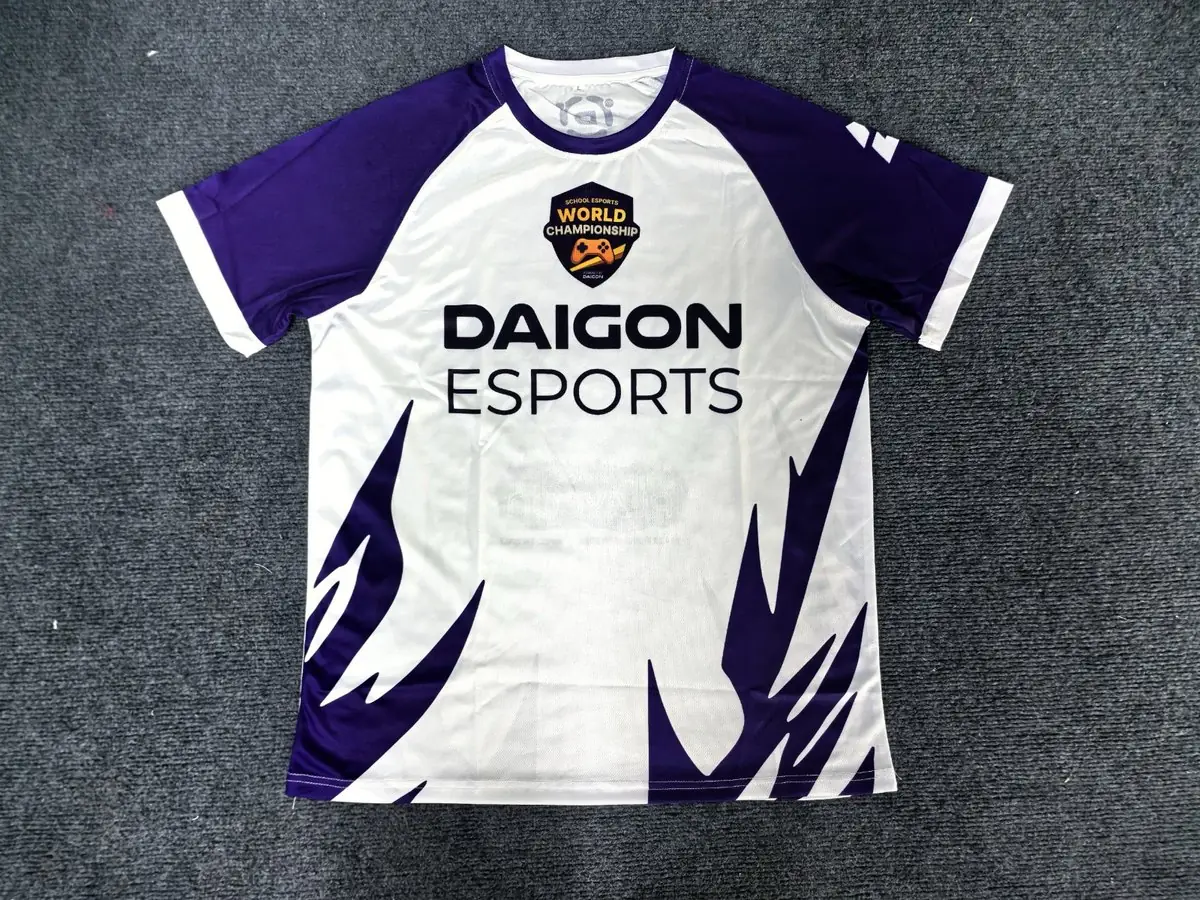
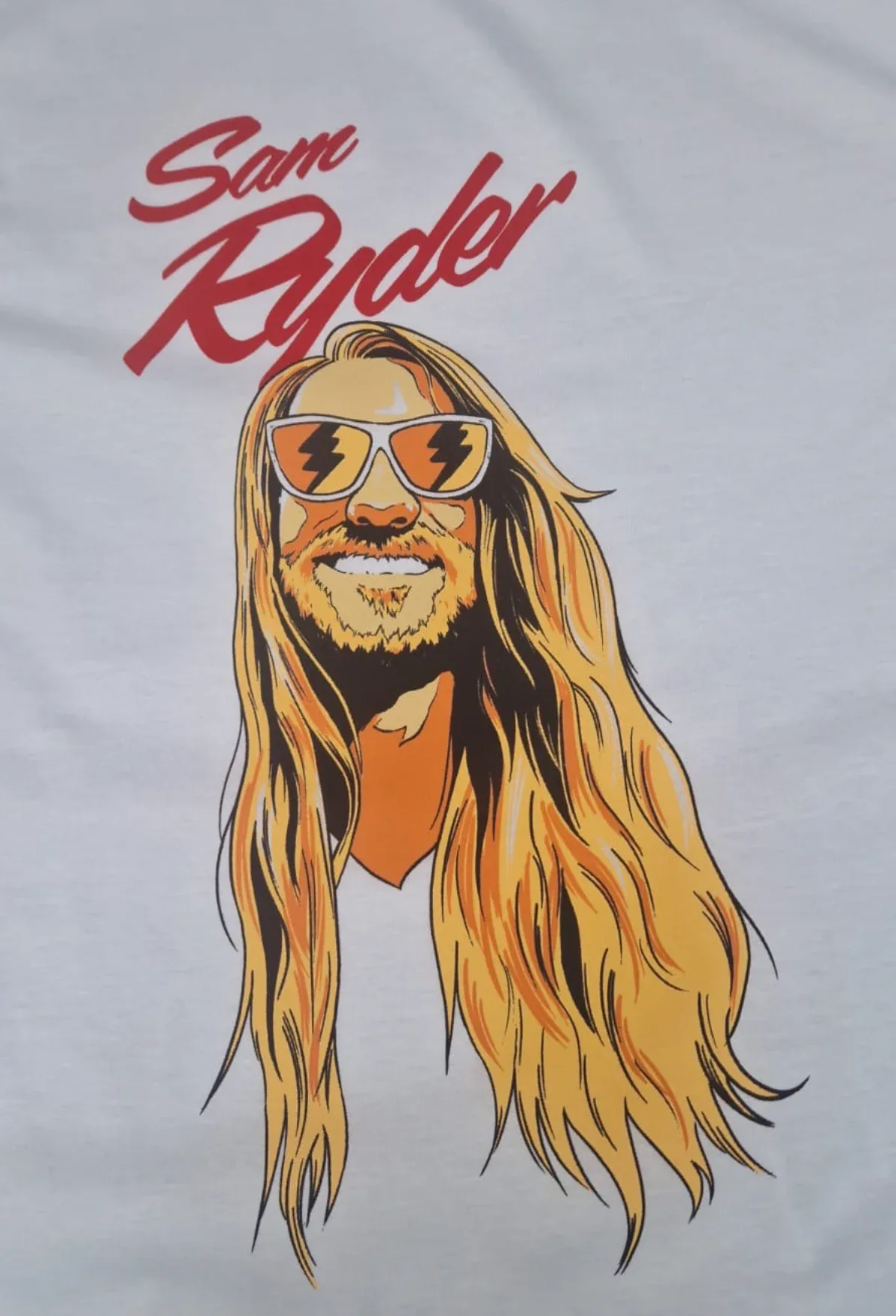
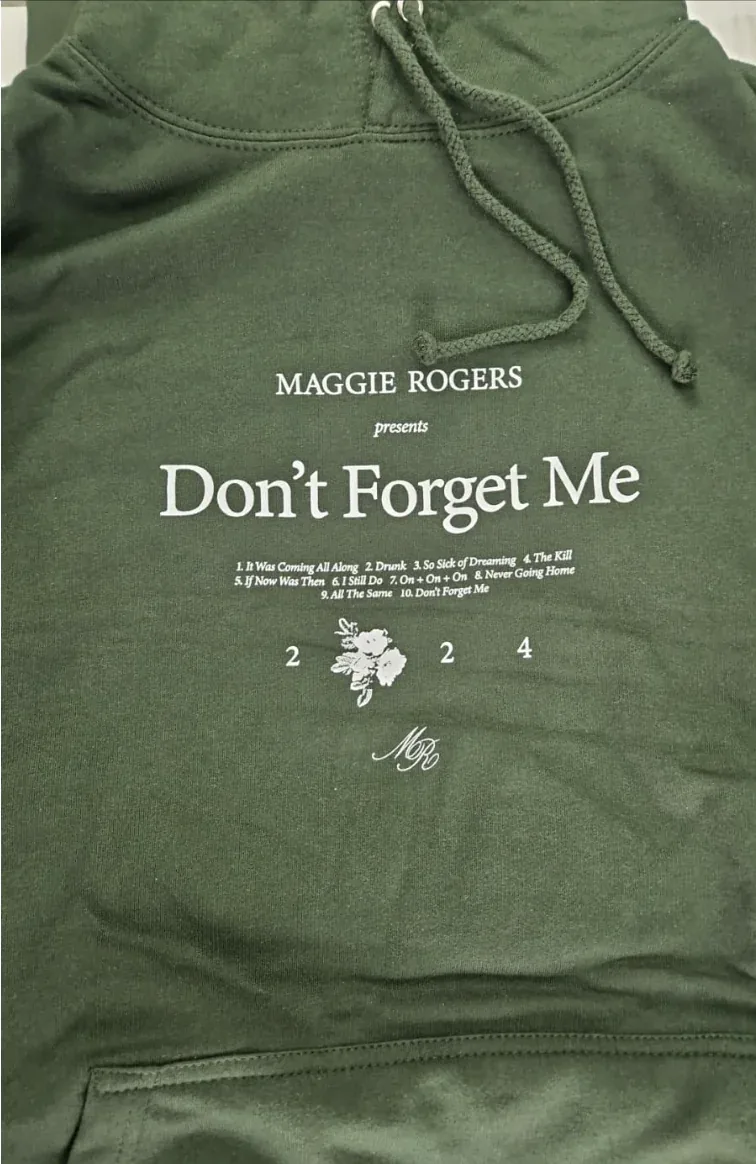
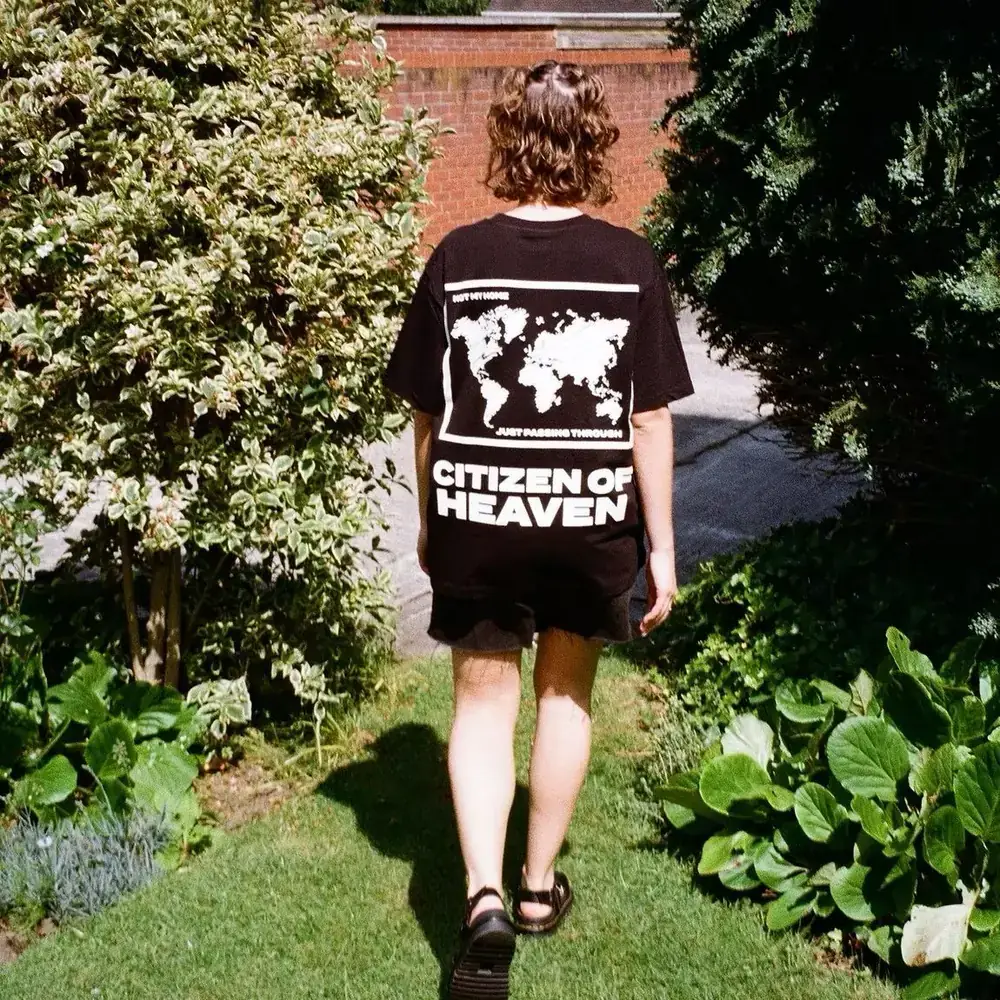
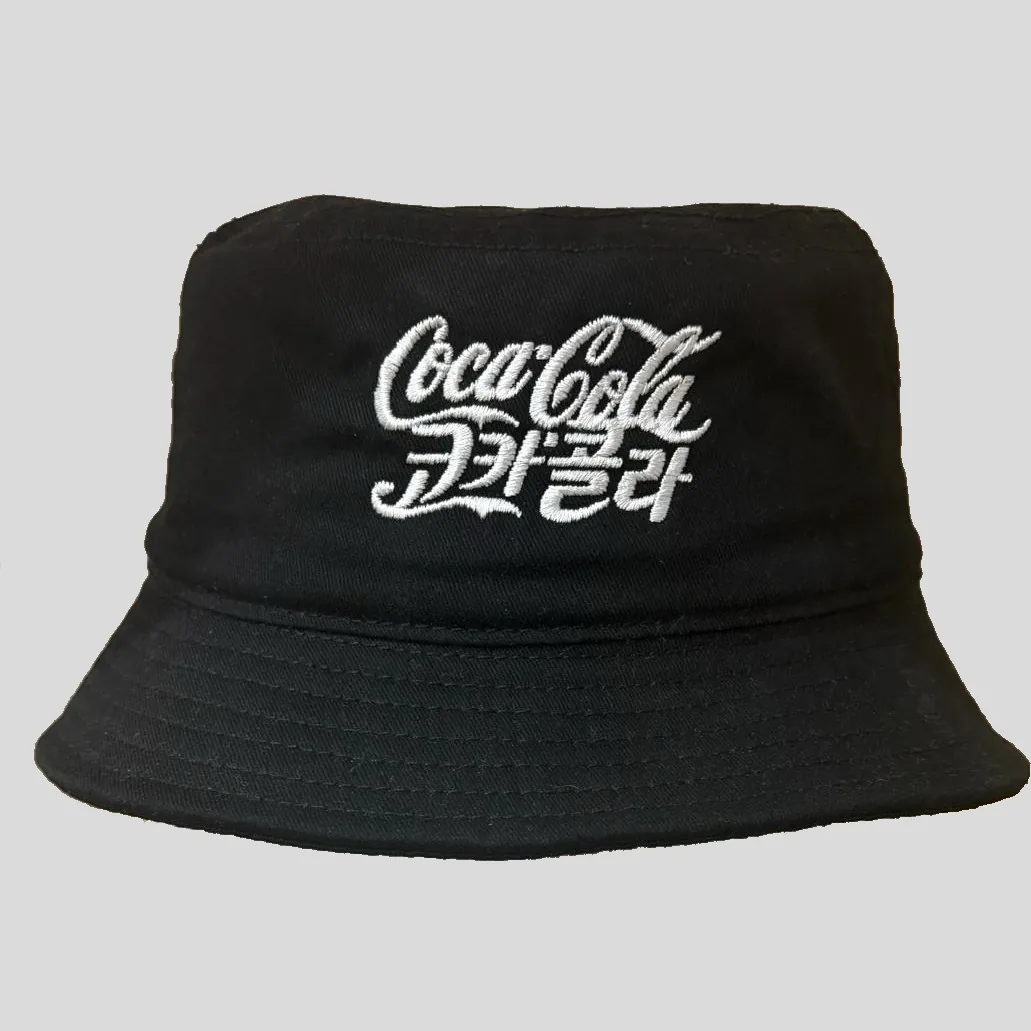
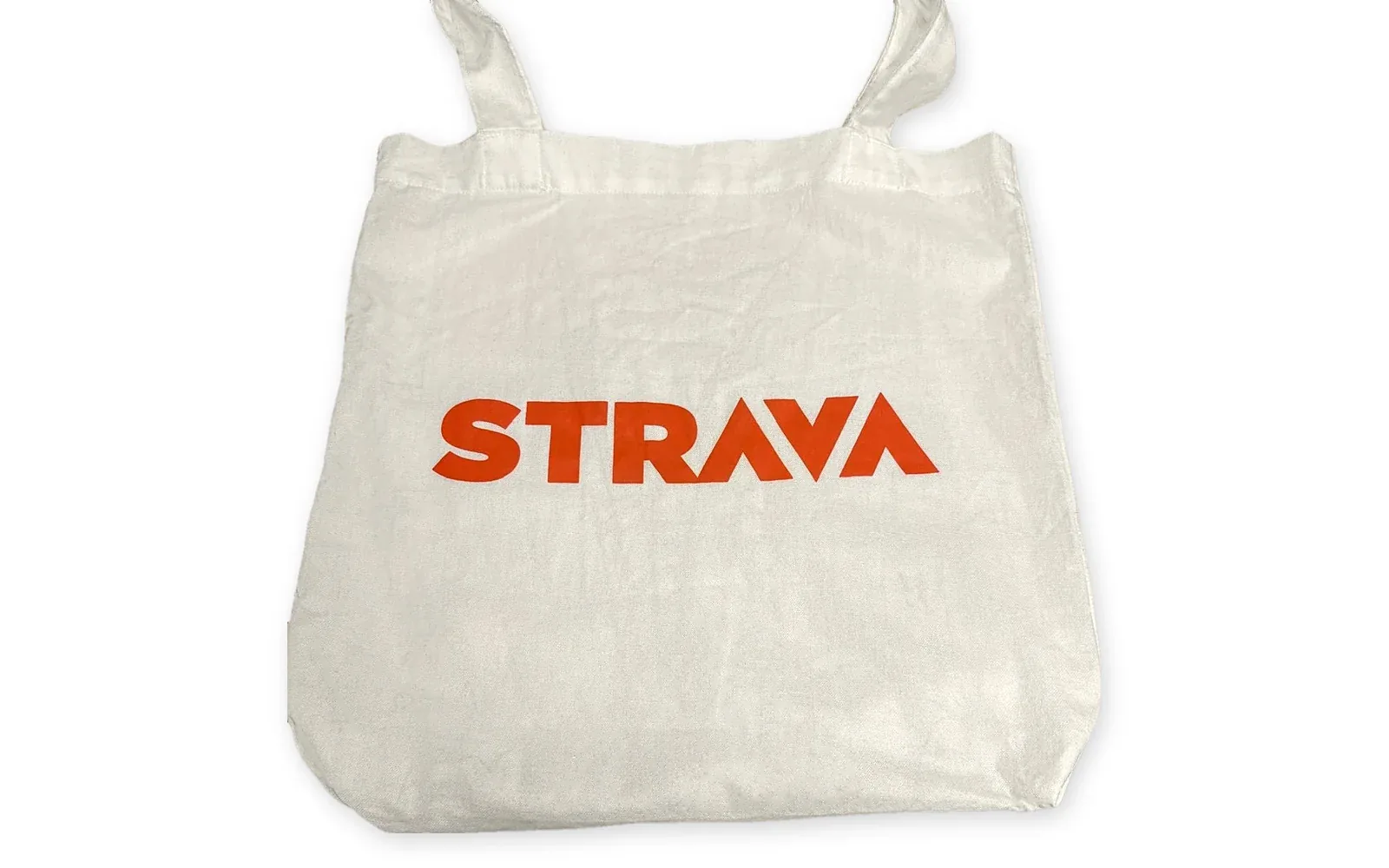
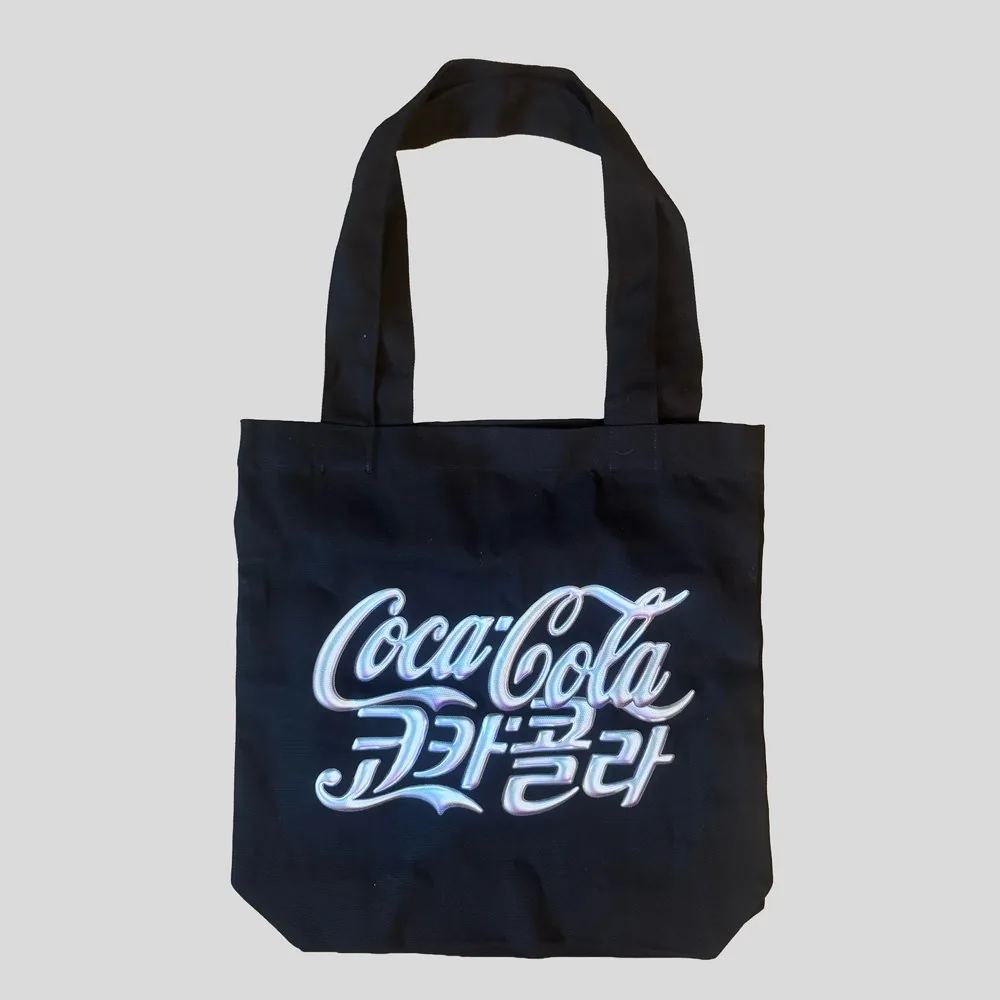
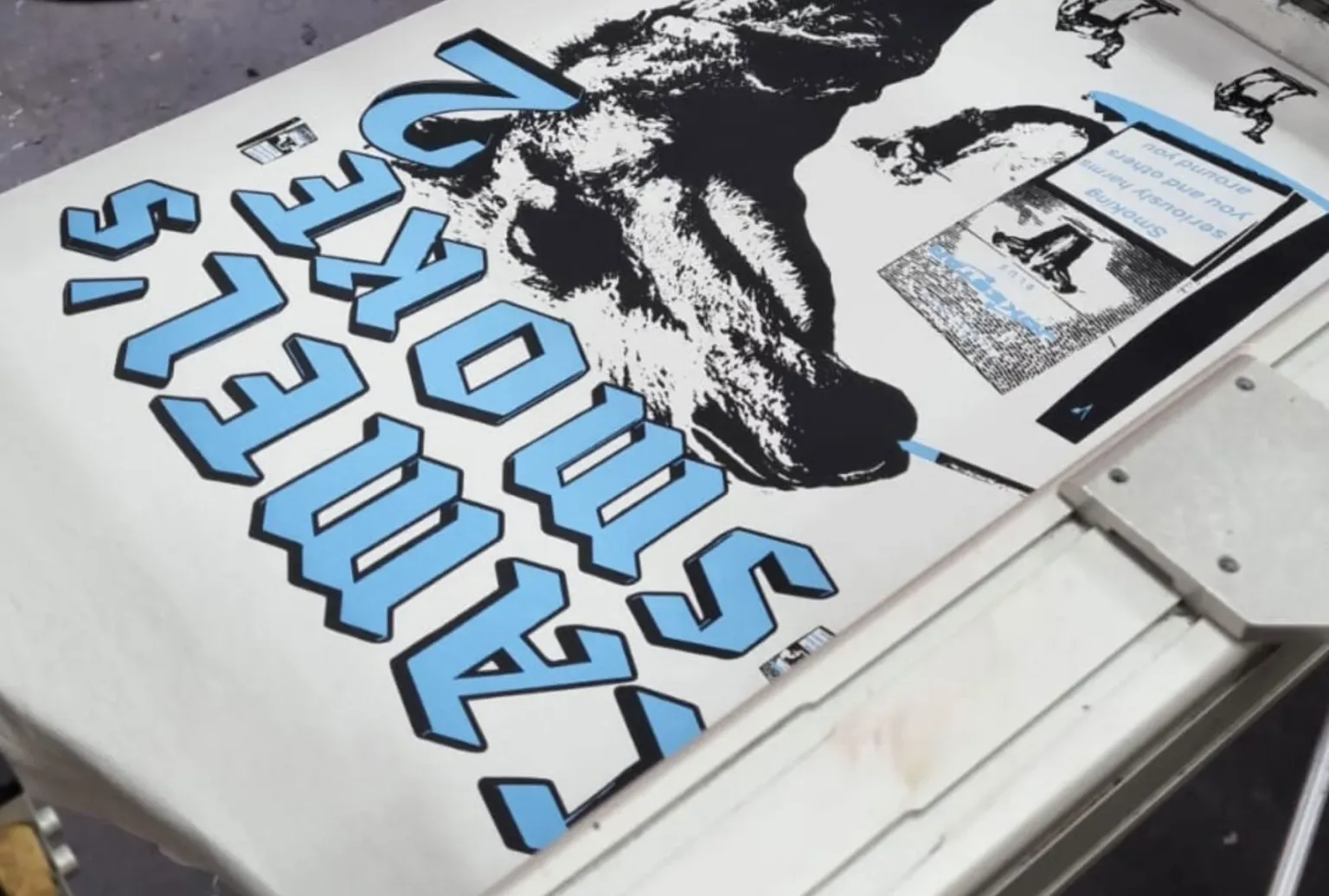
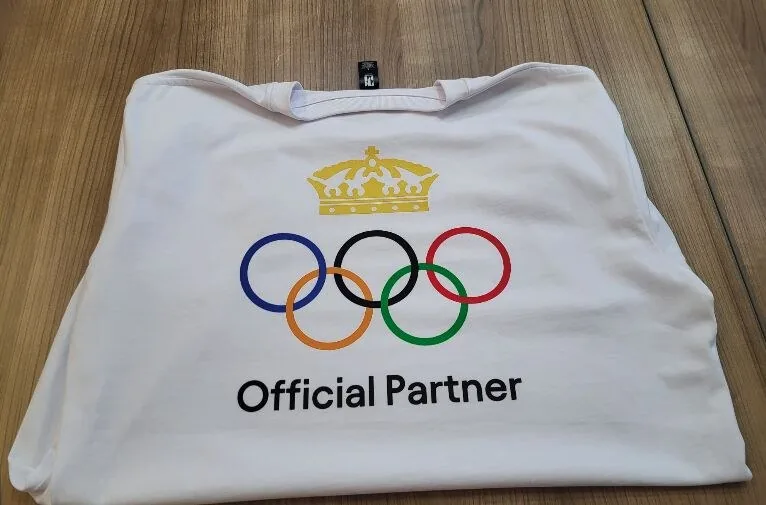
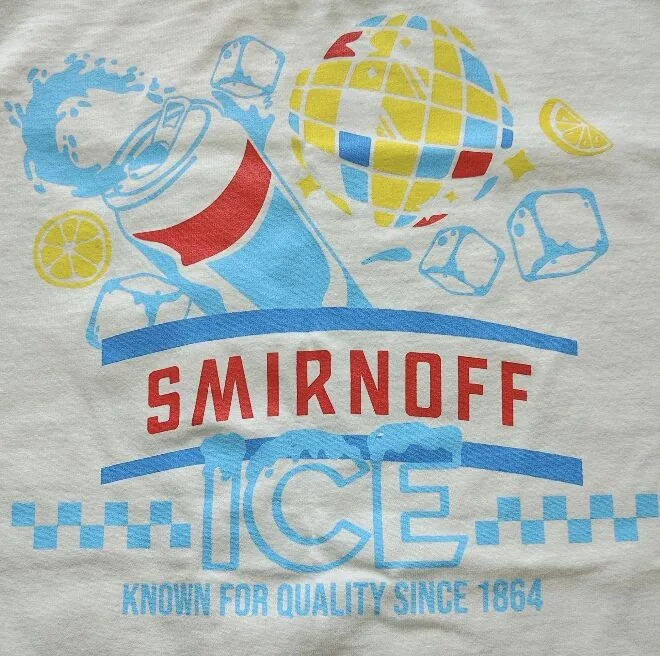
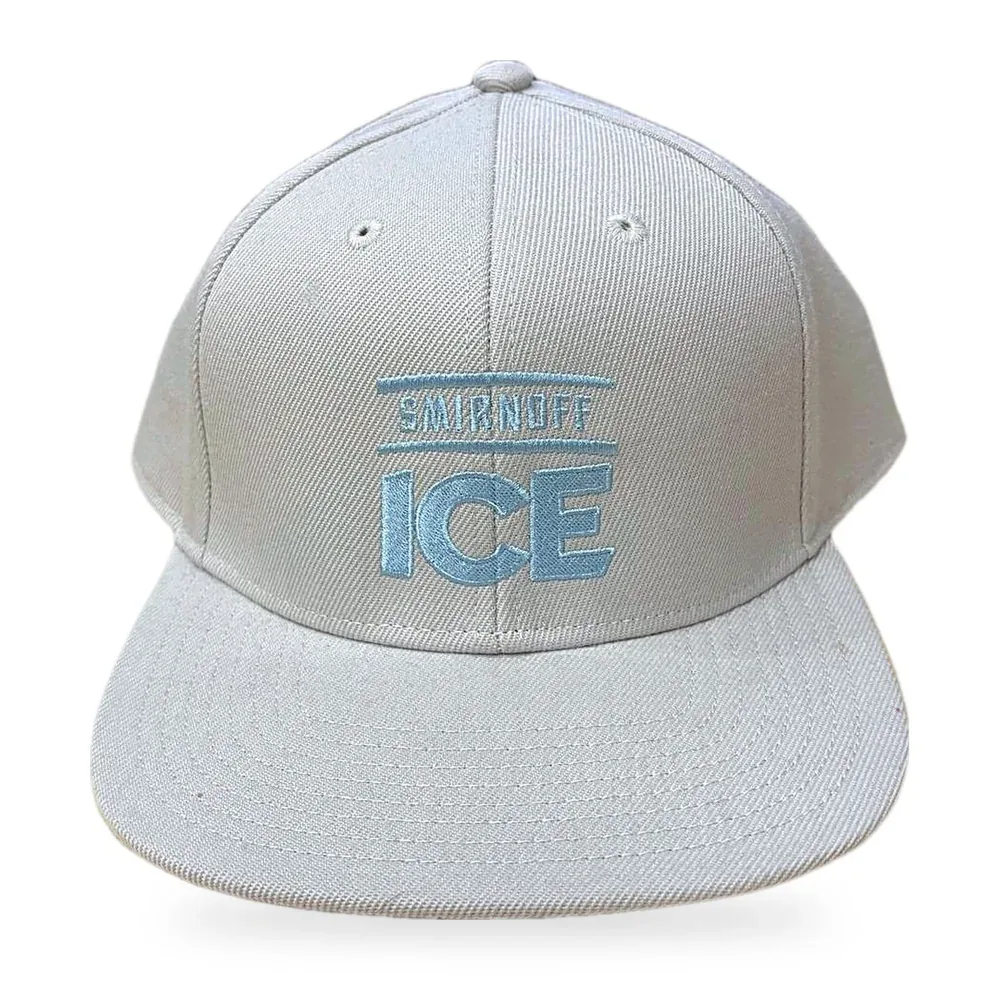
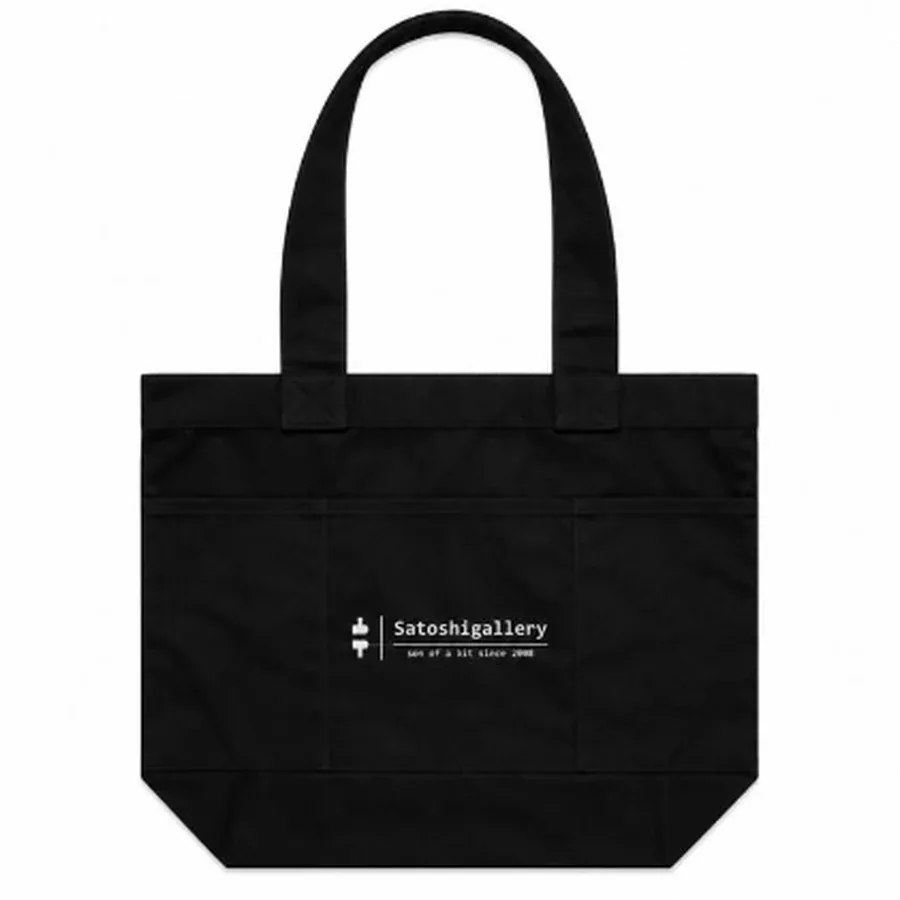
Every photo below is a real order we have printed, for artists and brands including The Rusty Crab, Drill, On1 Audio, eSports Malta, Sam Ryder, Maggie Rogers, Hannah Diamond, Citizens of Heaven, Strava, Coca-Cola, Corona, Smirnoff and Satoshi Gallery.
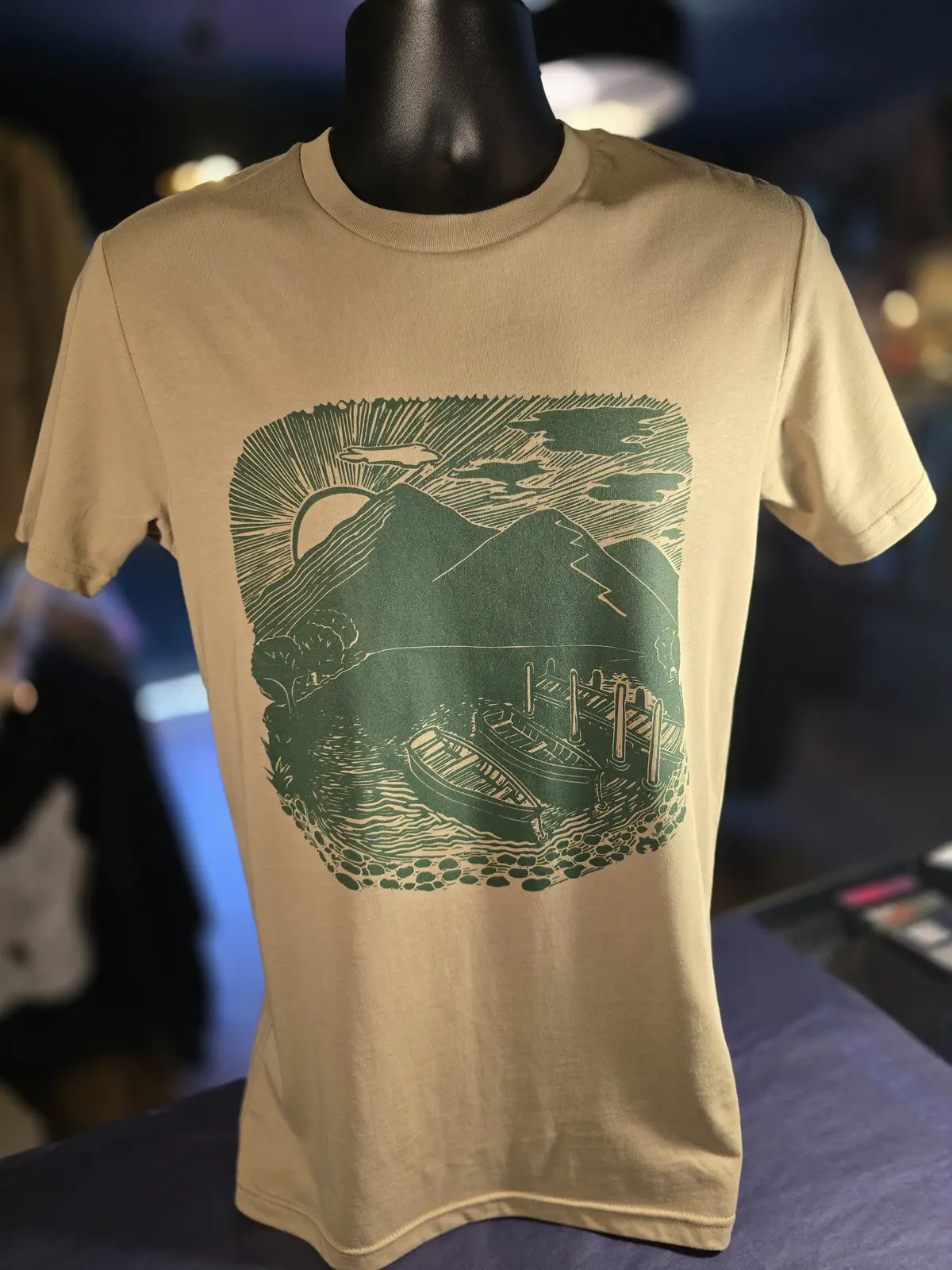
Types of T-Shirt Printing Compared
The best technique depends on four things: how many garments you need, how many colours are in your design, what the garments are made from and the finish you are after. As a rule of thumb, screen printing is the go-to for larger t-shirt printing orders, DTG and DTF suit smaller runs and full colour artwork, and embroidery gives a polished look on workwear and uniforms. The table below gives a quick comparison.
| Technique | Best for | Minimum order and fabric | Finish |
|---|---|---|---|
| Screen Printing | Bulk orders, event and team t-shirts, brand colours | From 20 units, with the unit price dropping as quantities rise | Durable, bold colour with an exact Pantone match |
| Direct to Garment | Short runs and detailed, full colour designs on cotton | From 8 units with no set up fees, on garments that are at least 80% cotton | Soft print that sinks into the fabric |
| Direct to Film | Full colour logos, names and numbers on mixed fabrics | From 8 units with no set up fees, on cotton, polyester and blends | Vibrant colour with a soft feel |
| Embroidery | Polo shirts, workwear, hoodies and caps | From 8 units, priced on the number of stitches in your logo | Premium, hard-wearing and long lasting |
| All Over (Sublimation) | Statement t-shirts, hoodies, sportswear, tote bags and towels | Best on 100% polyester, with some poly cotton blends | Edge to edge colour, right across the seams |
| Garment Finishing | Retail ready merchandise and fulfilment | Added to your garments after printing, before packing | Labels, swing tags, folding and bagging |
Many orders combine techniques, for example an embroidered logo on the chest with a large screen print on the back, or printed garments finished with woven labels and swing tags. Ordering in large quantities or working to a tight date? Our bulk printing and express printing services are built for exactly that. If you are unsure, tell us about the project and we will suggest the most cost effective way to get the result you want.
Printing Methods Explained
Here is how each method works, where it performs best, how long it lasts and what affects the price, so you can choose with confidence.
Screen Printing
Ink is pushed through a fine mesh screen onto the garment, one colour at a time, then heat cured so it bonds with the fabric. It gives bold, solid colour and is the most cost effective way to print larger runs, which is why it is the first choice for staff uniforms, band merch and bulk event t-shirts.
Things to know: every colour needs its own screen, so the price is driven by the number of colours, the number of print positions and the quantity. A well cured screen print is one of the most durable ways to decorate clothing and stays bright through repeated washing. For oversized designs, see jumbo screen printing.
Direct to Garment (DTG)
A specialist printer applies water based ink straight into the fabric, so photographs, gradients and detailed artwork print in full colour in a single pass. With no screens to make, DTG is ideal for short runs, samples and designs with lots of colours.
Things to know: DTG needs garments that are at least 80% cotton. Dark garments are pretreated and printed with a white under base, so they cost a little more than white or light colours. On light garments the print sinks into the fabric and lasts for years when washed inside out at a low temperature.
Direct to Film (DTF), Vinyl and Heat Transfers
Your design is printed onto a special film, coated with adhesive powder and heat pressed onto the garment. DTF gives bright, full colour prints with a soft, flexible feel, and because it works on cotton, polyester and blends, it suits sportswear, bags and mixed fabric orders that DTG cannot print. Our DTF team also handles vinyl and heat transfer printing, which is ideal for individual names and numbers and one off personalisation.
Things to know: there are no set up fees, so DTF is great value on small runs. Wash inside out at a low temperature and avoid ironing directly over the print. Our guide to DTF vs DTG printing compares the two in detail.
Embroidery
Your logo is digitised and stitched into the garment with Madeira threads, giving a premium, textured finish that outlasts any print. Embroidery is the natural choice for polo shirts, workwear, uniforms, fleeces and caps, and raised 3D embroidery works especially well on embroidered caps.
Things to know: embroidery is priced on the number of stitches, so a simple left chest logo is the most cost effective option. Gradients, shadows and very fine detail are hard to reproduce in thread, so we may suggest a simplified, solid colour version of your logo.
All Over Printing (Sublimation)
Dye sublimation turns ink into a gas that bonds with polyester fibres, so the design becomes part of the fabric and runs edge to edge, right across the seams. We all over print t-shirts, sports vests and tops, hoodies and sweatshirts, tote bags, and tea and beach towels.
Things to know: sublimation does not work on pure cotton, and all over printing takes longer than our standard turnaround, so allow extra time. The print will not crack, peel or fade, and has no feel on the garment. Our all over printing guide explains sublimation, cut and sew, fabrics and artwork.
Garment Finishing
Finishing turns printed clothing into a retail product: woven and hem labels, inside neck prints, printed swing tags, folding and bagging in standard or eco friendly bags, and barcode or SKU stickers for your fulfilment house.
Things to know: finishing is added after printing and before packing, so it fits into the same order. If you are launching your own label, read about t-shirt relabelling.
Special Effects and Speciality Inks
Alongside standard plastisol inks, our screen printing team can add effects that make a design stand out. Puff printing creates a raised, 3D print you can feel and starts from 25 units. Metallic printing adds shimmer and shine, either with metallic ink from 20 units or with foil printing from 25 units, which bonds a thin metallic film to the garment for a bright, mirror like finish. We also print with glow in the dark ink, soft discharge ink that removes the dye from the fabric, and eco friendly water-based inks that are soft to the touch. For designs that need to be bigger than a standard print area, take a look at jumbo screen printing.
For embroidery, 3D embroidery builds up layers of thread for a raised finish that works particularly well on caps. If colour accuracy matters to your brand, our guide to colour in screen printing answers the questions brands ask most often, and Pantone colours in screen printing explains how we match your brand colours.
Garments We Print On
We print and embroider t-shirts, hoodies, sweatshirts, polo shirts, workwear, sportswear, jackets and outerwear, tote bags, socks and caps, using trusted blank brands from our clothing catalogue. Our guide to which t-shirt is best for printing helps you pick a garment that suits your chosen technique. We work with businesses, schools, charities, events and bands, and you can see how we help different industries on our printing sectors page. For branded items beyond clothing, such as pens, mugs or water bottles, browse our promotional merchandise.
Why Order Your Printing With Us
- Fast replies. Your dedicated Account Manager comes back to you within 15 minutes with pricing and advice on the best technique.
- Free visual proof. You get a free visual proof within 30 minutes of your order being confirmed, and nothing is printed until you approve it.
- Reliable turnaround. Standard orders take six to seven business days from proof approval, with 48 hour express available when the date is tight.
- Low minimums. Screen printing from 20 units, DTG, DTF and embroidery from 8, and puff and foil printing from 25.
- Credit accounts. Businesses, schools, charities and event organisers can apply for 30 or 60 day credit terms through our client registration page.
- Experience. Over 25 years of experience in garment printing, with every order checked piece by piece before it is packed.
Clothing Printing Across the UK
We print and deliver across the UK, including London, Manchester, Birmingham, Leeds, Glasgow, Edinburgh, Bristol, Cardiff, Liverpool and Newcastle, with tracked, insured delivery to your door. See every location we cover on our site map.
Printing Techniques FAQs
What is the best printing method for t-shirts?
It depends on your order. Screen printing is best for larger quantities and designs with a few solid colours, DTG is best for detailed full colour designs on cotton, and DTF is best for full colour prints on polyester or mixed fabrics. For a premium logo on polos or workwear, embroidery is usually the better choice. Tell us about your design and quantity and we will recommend the right method.
What is the cheapest way to print custom t-shirts?
For larger orders, screen printing usually gives the lowest price per garment, and the unit price drops further as the quantity goes up. For smaller runs, DTG and DTF are often better value because there are no set up fees. Keeping the number of print colours and print positions down also helps, and our guide on keeping t-shirt printing costs low covers more ways to save.
What is the difference between DTG and DTF printing?
Direct to Garment prints the ink straight into the fabric, giving a very soft finish, and works on garments that are at least 80% cotton. Direct to Film prints your design onto a film that is then heat pressed onto the garment, so it can be used on cotton, polyester and blends. Both handle full colour artwork well. We compare them in more detail in DTF vs DTG printing.
What is the minimum order for each printing technique?
Screen printing starts from 20 units and printed tote bags from 10. Direct to Garment, Direct to Film and embroidery start from 8 units, and puff and foil printing start from 25 units per design.
Which printing method lasts the longest?
Embroidery is the most hard-wearing option, as the logo is stitched into the garment. Of the print methods, a well cured screen print and a sublimated all over print are the most durable, and sublimation never cracks or peels because the dye becomes part of the fabric. Washing inside out at a low temperature helps every print last longer, and our wash care guide has more tips.
Do you offer vinyl and heat transfer printing?
Yes. Vinyl and heat transfer printing are handled by our Direct to Film team, and they are ideal for individual names and numbers on sports kit and one off personalisation. DTF itself is a type of heat transfer, giving full colour prints on cotton, polyester and blends.
Can you match my brand colours exactly?
Yes. Our screen printing inks are mixed using the Pantone Matching System, so your brand colours stay consistent from one order to the next. You can read more about how this works in Pantone colours in screen printing.
Is embroidery or printing better for workwear?
Embroidery is the more hard-wearing option and gives a smart, premium finish on polo shirts, sweatshirts, hoodies, caps and workwear. Printing is the better choice for large designs, fine detail, gradients or photographic artwork, which are difficult to reproduce in thread.
What artwork do you need from me?
For screen printing, vector files such as .ai, .eps or a vector PDF work best because they scale without losing quality. For DTG printing, a PNG with a transparent background at 300 DPI is ideal. If you are not sure what you have, send it over and our team will check it and let you know if anything needs adjusting.
How long does printing take?
Standard orders take six to seven business days from proof approval, and you get a free visual proof within 30 minutes of your order being confirmed. If you need your order sooner, our express printing service can turn orders around in 48 hours. All over printing takes a little longer, so allow extra time.
Not sure which technique you need?
Locations
20-22 Wenlock Road
London
N1 7GU
0208 064 1315
Visits by appointment onlyManchester Address
First Floor, Swan Buildings
20 Swan Street
Manchester
M4 5JW
0161 457 6080
Visits by appointment only