

Direct to garment, full colour detail
Photographic, full colour prints on t-shirts, hoodies, sweatshirts and tote bags, with no set up fees and a soft finish that sinks into the fabric.
What Is DTG Printing?
Direct to Garment printing, usually shortened to DTG, uses a large machine that prints ink straight onto the fabric, much like an industrial scale version of a paper printer. It has grown steadily in popularity over the past few years because it reproduces fine detail, gradients and photographic images that would be difficult or costly with other methods.
DTG is ideal for short runs, and as inks have become cheaper, larger DTG orders are now common too. We print onto white, natural, black and coloured garments.
Our team has over 25 years of experience printing clothing, and with print houses around the UK, including London, we handle custom DTG printing for everything from 8 t-shirts for a brand launch to several hundred full colour tees for an event.
Printing on White and Light Garments
White and light garments are one of our quickest jobs, as there is no need for pretreatment and the garment can go straight onto the printer. The ink sinks into the fabric, so you cannot feel it, and you get a vibrant, high quality print that lasts for years.
Printing on Black and Coloured Garments
Dark and coloured garments take slightly longer. They are pretreated first and a white under base is printed so the colours stay bright and fixed to the fabric. You can feel the print a little more, but it is still soft, and the results are sharp, vibrant and cost effective.
From Artwork to Delivery
Send Your Artwork
Tell us the garments, quantities, print positions and your deadline. Your dedicated Account Manager will come back to you within 15 minutes with pricing.
Approve Your Proof
We send a free visual proof showing your design at the size and position it will appear, so nothing goes into production until you are happy.
Printed and Checked
Coloured garments are pretreated first, then every piece is printed in full colour and checked before it is packed.
Delivered To Your Door
Tracked delivery using the most reliable couriers in the UK, with shipping into Europe and worldwide whenever you need it.
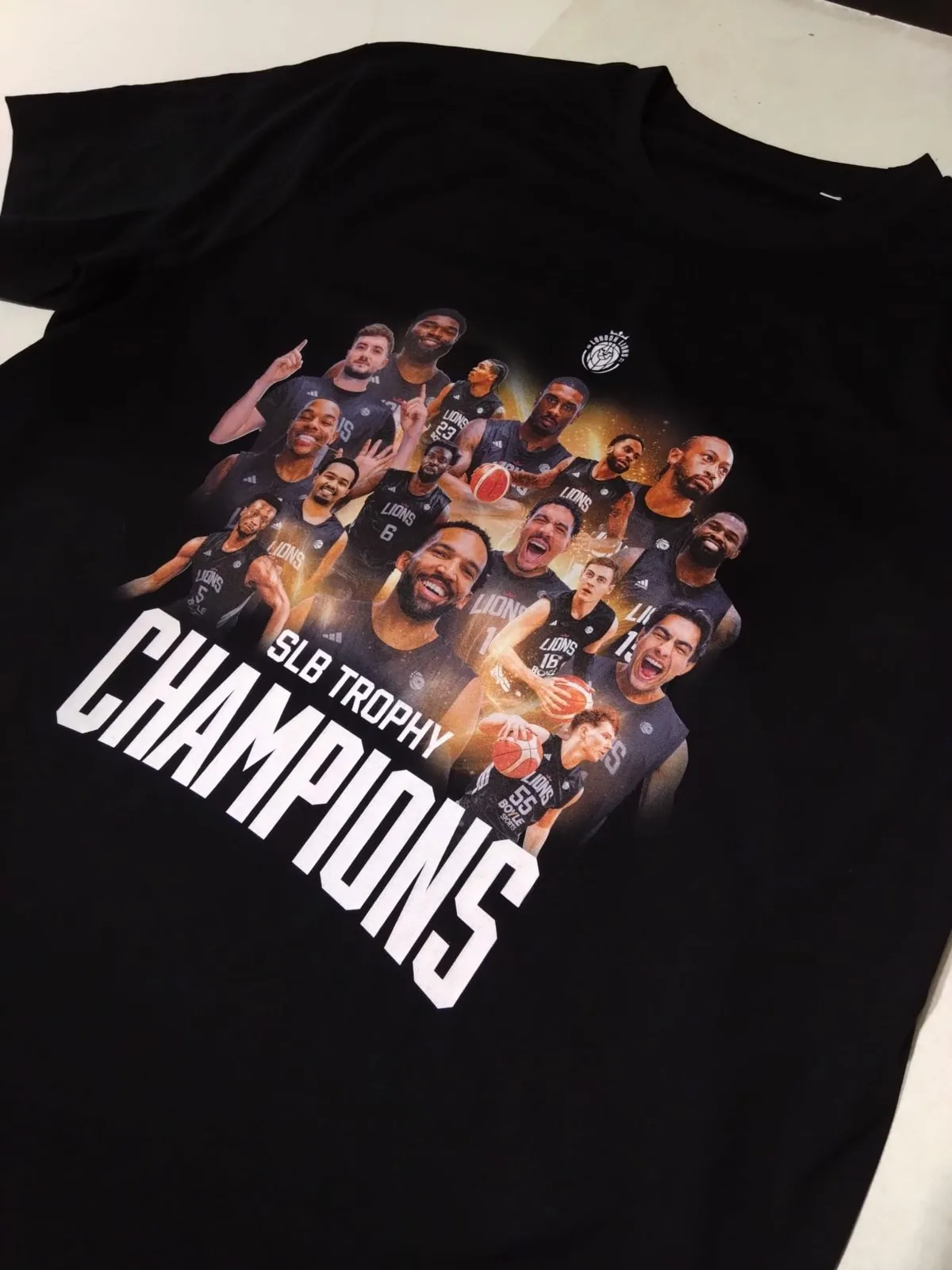
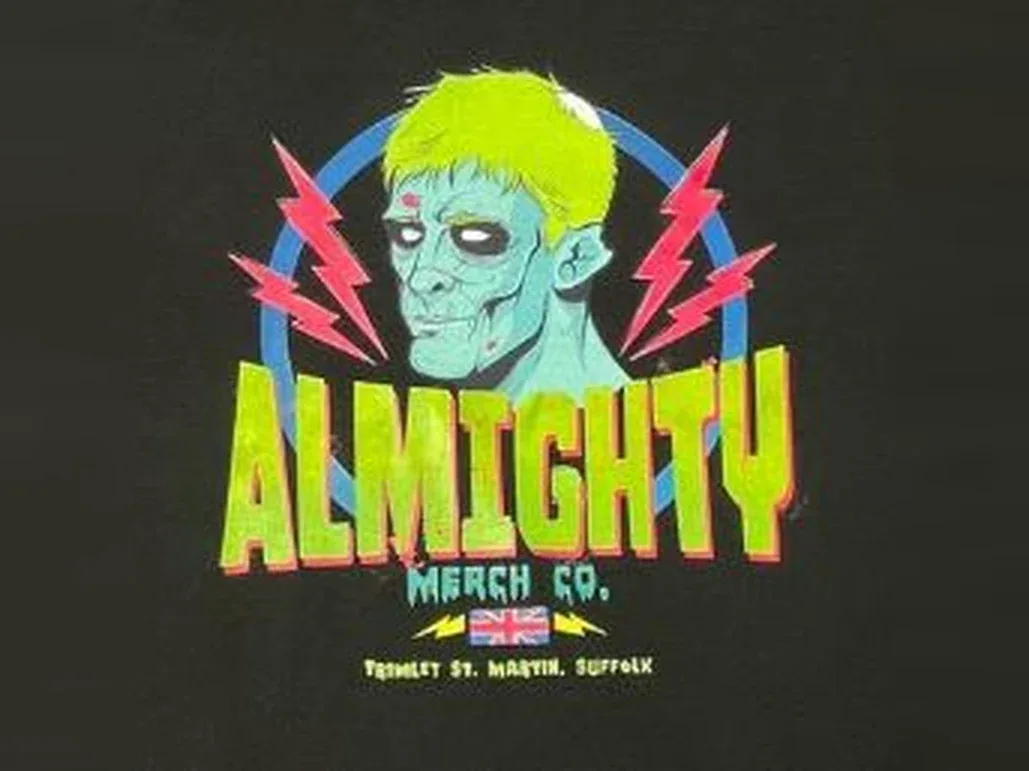
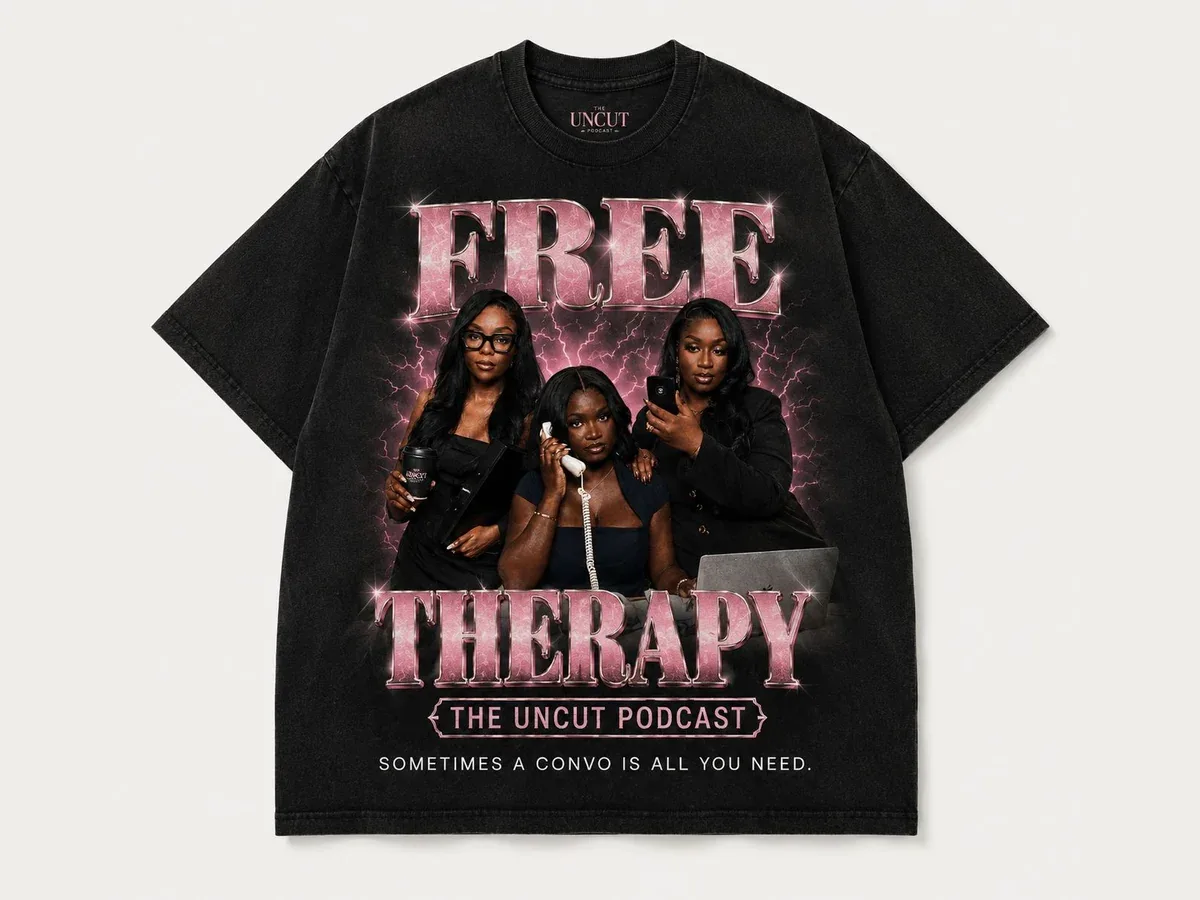
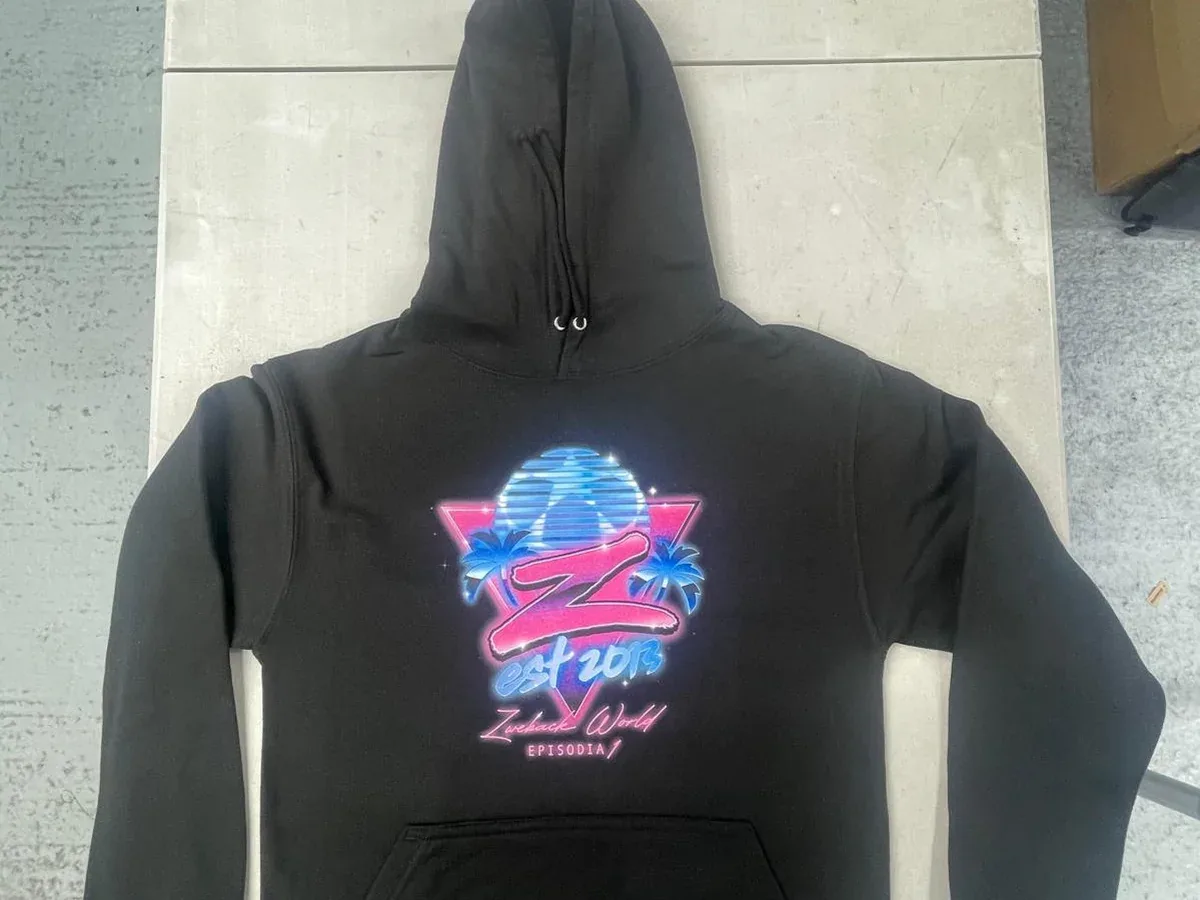
Recent DTG Printing Jobs
Full colour work we have printed straight onto the garment for our clients.
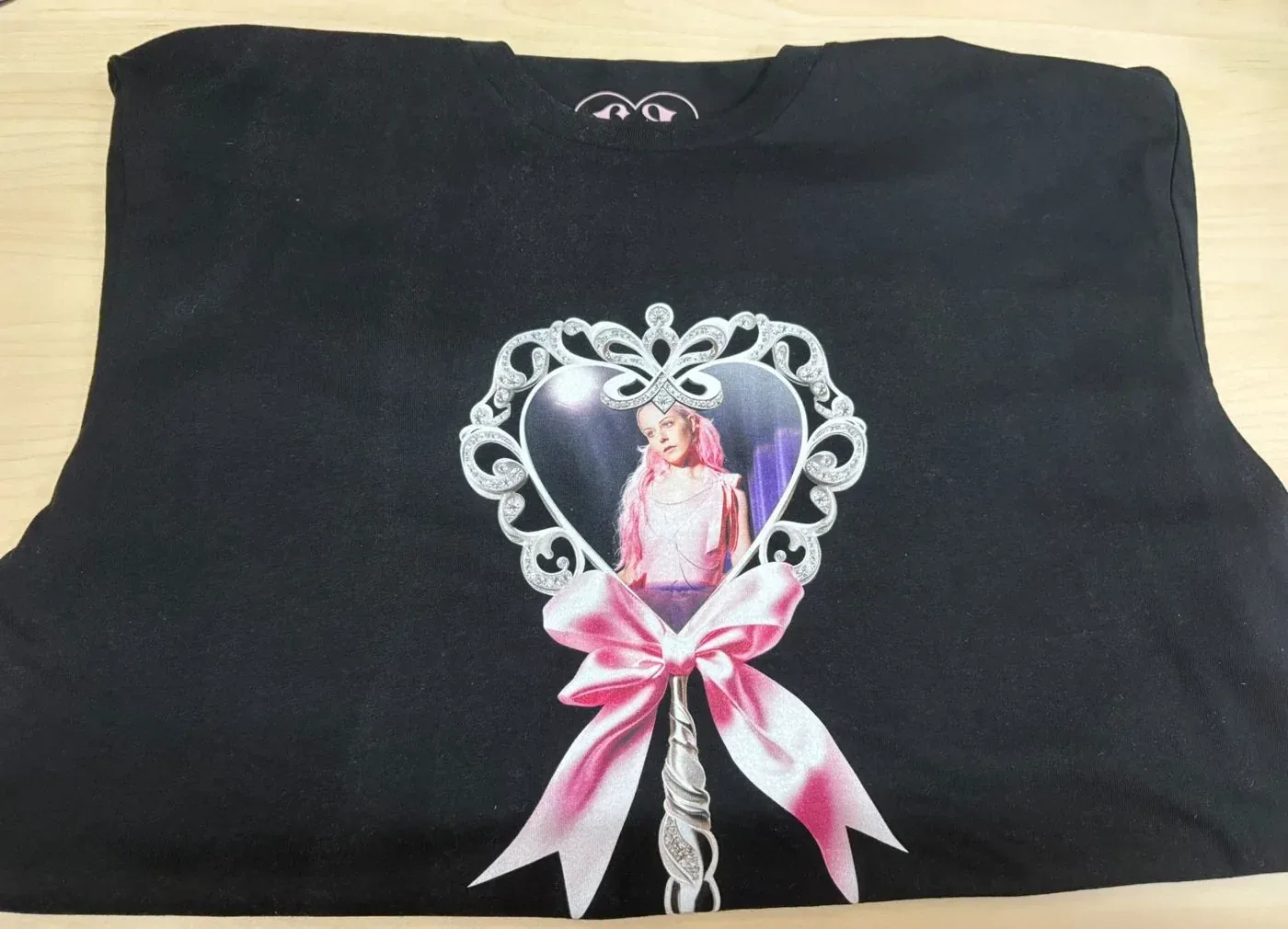
Which Garments Work Best?
DTG requires garments that are at least 80% cotton, which makes custom t-shirts the most popular choice, followed by hoodies and sweatshirts. Our guide to which t-shirt is best for printing is a good place to start for tees, and for hoodies see the best hoodies for printing, compared by weight and fabric. You can browse suitable styles in our clothing catalogue.
We also DTG print tote bags. On natural or white totes the print sinks right into the cotton for a soft, eco friendly finish, and on coloured bags it gives bright, eye catching designs.
Organic and Sustainable Garments
DTG suits organic cotton well, because the ink sinks into the soft, natural fibres for a print you can barely feel. We print on organic ranges from Stanley/Stella and Earth Positive, and white or natural garments need no pretreatment at all. If sustainability matters to your brand, our guide to sustainable merchandise has more ideas.
Who Uses DTG Printing?
DTG is a favourite with bands and artists for tour merch, small clothing brands testing new designs, creators and influencers selling limited drops, and businesses that want a short run of full colour staff or event t-shirts. Detailed artwork such as photographs, illustrations and gradients comes out exactly as designed, without the cost of making a screen for every colour.
Artwork for DTG Printing
The best file to send is a PNG with a transparent background, created at 300 DPI, especially if the print is going onto a coloured garment. For white garments we can also accept JPEG files, as long as they are 300 DPI. If you are unsure whether your file will work, send it over and our team will check it for you.
Prices, Minimum Order and Turnaround
DTG printing starts from just 8 units per design. There are no set up fees, so it is a cost effective way to produce small quantities without compromising on quality. It is popular for brand launches, samples and merchandise for influencers and creators. For larger orders with just a few solid colours, screen printing can work out cheaper per garment, and our tips on keeping t-shirt printing costs low explain why.
Standard DTG orders are ready six to seven business days after you approve your proof. If your deadline is close, our express printing service can turn full colour garments around in 48 hours, with next day available on request.
DTG or DTF?
Both methods handle full colour artwork well and neither has set up fees. DTG gives the softest feel on cotton garments, while Direct to Film works across cotton, polyester and blends. We compare the two in more detail in DTF vs DTG printing, For a stitched logo on polos or workwear, embroidery is the better fit, and you can see every option on our printing techniques page.
Direct to Garment: Frequently Asked Questions
What is the minimum order for DTG printing?
DTG printing starts from 8 units per design. With no set up fees, small runs, samples and one-off launches are easy to order.
How long does DTG printing take?
Standard DTG orders take six to seven business days from proof approval. When the date is tight, express printing can have garments with you in 48 hours, with next day on request.
How long does a DTG print last?
On white and light garments the ink sinks into the fabric and gives a print that lasts for years. Following our wash care guide, such as washing inside out at a low temperature, helps keep colours bright for longer.
Can you DTG print on black t-shirts?
Yes. Black and coloured garments are pretreated and printed with a white under base first, so your colours stay vivid on dark fabric.
Can you DTG print on polyester?
DTG printing needs garments that are at least 80% cotton. For polyester or mixed fabrics, Direct to Film is usually the better choice, and for full coverage designs on polyester take a look at all over printing.
Is DTG cheaper than screen printing?
For small quantities and full colour designs, DTG is often better value because there are no set up fees. On larger runs with a limited number of colours, screen printing usually gives a lower price per garment.
What file should I send for DTG printing?
A PNG with a transparent background at 300 DPI is ideal. For white garments we can also work from a 300 DPI JPEG.
Ready to get started?
Locations
20-22 Wenlock Road
London
N1 7GU
0208 064 1315
Visits by appointment onlyManchester Address
First Floor, Swan Buildings
20 Swan Street
Manchester
M4 5JW
0161 457 6080
Visits by appointment only