
10 Best Clothing Brands to Personalise and Print in the UK

Published · Updated
Not every blank garment suits every job. Some brands are designed for volume and value, others for retail-quality merchandise, organic credentials or a cold day on a building site. This is an easy guide to the best clothing brands to print, the ranges we work with most, and where each one earns its spot.
The blank garment you choose affects the price, the print quality and how your finished garment feels to whoever ends up wearing it. Here you will find the ten clothing brands we print and embroider most often, grouped by what they are actually good at rather than listed in any particular order of preference. Every garment type we brand is on our personalised clothing page.
Key points
- Merchandise you are selling: AS Colour and Stanley/Stella. High volume giveaways: Fruit of the Loom or Gildan.
- Staff uniform across several garment types: B&C Collection. Outdoor and site work: Regatta, Result or Portwest.
- Certified organic: Stanley/Stella or Earth Positive. Selling under your own label: Alstyle, with a tear-away label on every garment.
- You can also mix brands in one order, as long as each style meets the minimum for its technique.
- Embroidery, direct to garment and direct to film start at 8 units, and screen printing at 20.
In this guide
- How to Choose a Clothing Brand to Personalise
- For Retail-Quality Merchandise
- For Value on Larger Runs
- For Organic and Sustainable Ranges
- For Workwear and Outdoor
- Matching the Brand to the Job
- Printing or Embroidery on Branded Clothing
- Before You Order
- Minimum Orders and Help Choosing a Brand
- How to Order Branded Clothing
- Clothing Brand FAQs
How to Choose a Clothing Brand to Personalise
In the main, people come to us with a design and a quantity, not a brand. That is the correct way to work, because the brand should follow the job rather than the other way about. A run of event tees being handed out free has almost nothing in common with a small batch of heavyweight hoodies a band is going to sell to their fans, even though both are cotton and both take the same logo.
There are three things that decide it. The first is what happens to the garment: given away, worn as a uniform, or sold to a customer who is paying for the garment as much as the design. The second is quantity, because the setup behind a print or an embroidery run costs the same whether it covers eight pieces or eight thousand, so unit price falls away sharply as the numbers climb, as the setup cost is spread over the quantity. The third is whether anything has to be certified, which rules most brands out and makes the choice much easier.
Answer those three and the brand usually picks itself. The ten below cover every combination we get asked for, and all ten are ranges we stock in high numbers, which matters more than it sounds when a deadline can't be moved.
For Retail-Quality Merchandise
These are the go-to brands to reach for when the garment is being sold rather than given away, or when it carries a brand people already care about. The fabric, the cut and the finish all have to stand up on their own before the logo goes anywhere near it.
AS Colour
Ethically sourced, comfortable and extremely well cut. The Staple Tee is one of the most used blanks in our workshop, and the range extends to hoodies, sweatshirts and polos that all decorate well. We are also an official AS Colour printer, so we have more experience than most when printing on these garments, and know the range from the cut of each style to how it behaves under the press.
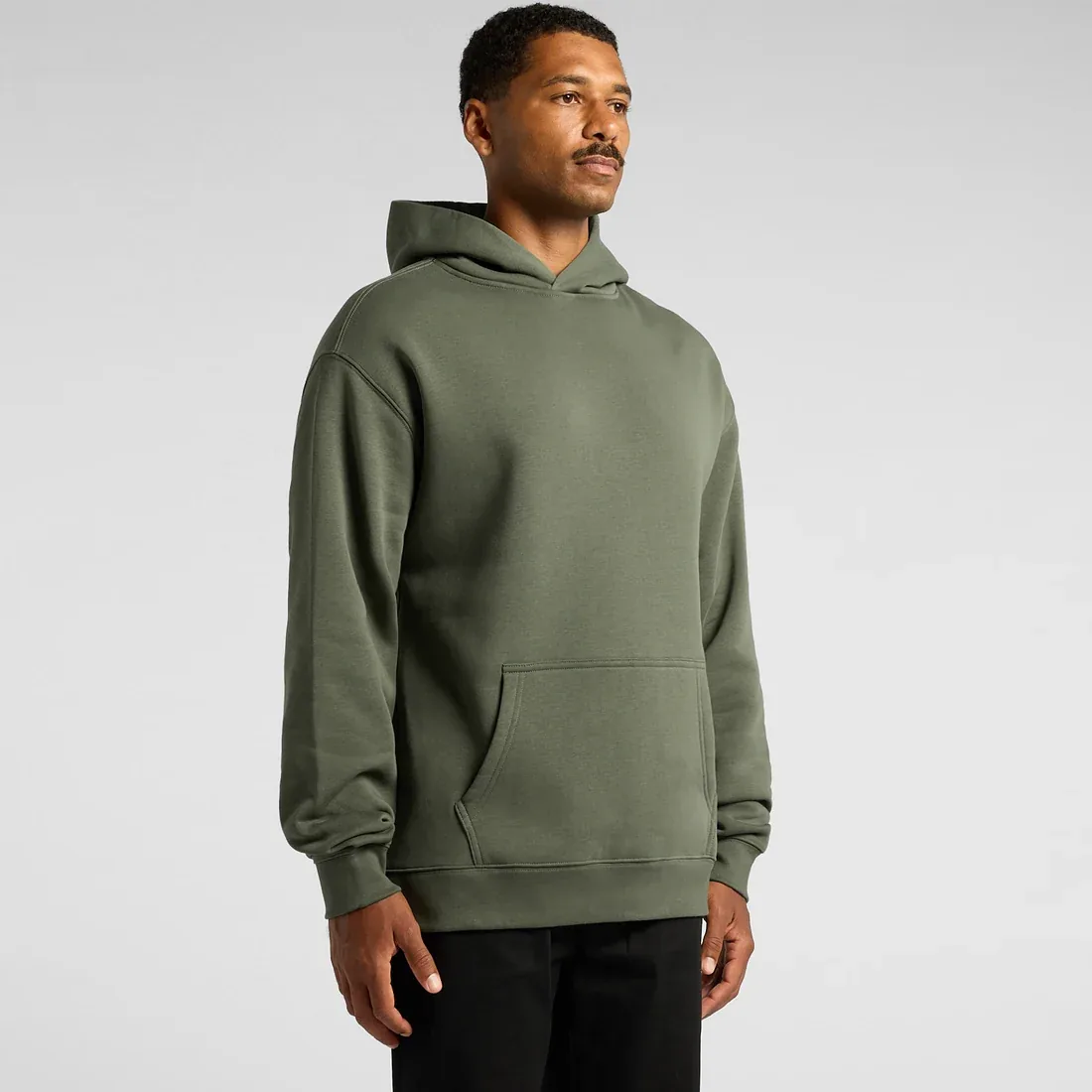
What sets it apart for custom printing is how different it looks and feels to a promotional garment. The cuts are modern, the colour palette is restrained, and the labelling is discreet, so a printed AS Colour tee sells as retail stock rather than something handed out at a stand as a giveaway. The heavier pieces take a large front print without the fabric flexing under it, which is the reason the 5161 Relax Hood sits at the top of our best blank hoodies list. If you are making merchandise people will pay for, this is usually the first range we put in front of you.
Stanley/Stella
Certified organic cotton and recycled blends, in fits and colours that always look current rather than dated. The cotton takes ink cleanly and the heavier weights hold detailed prints and embroidery without distortion.
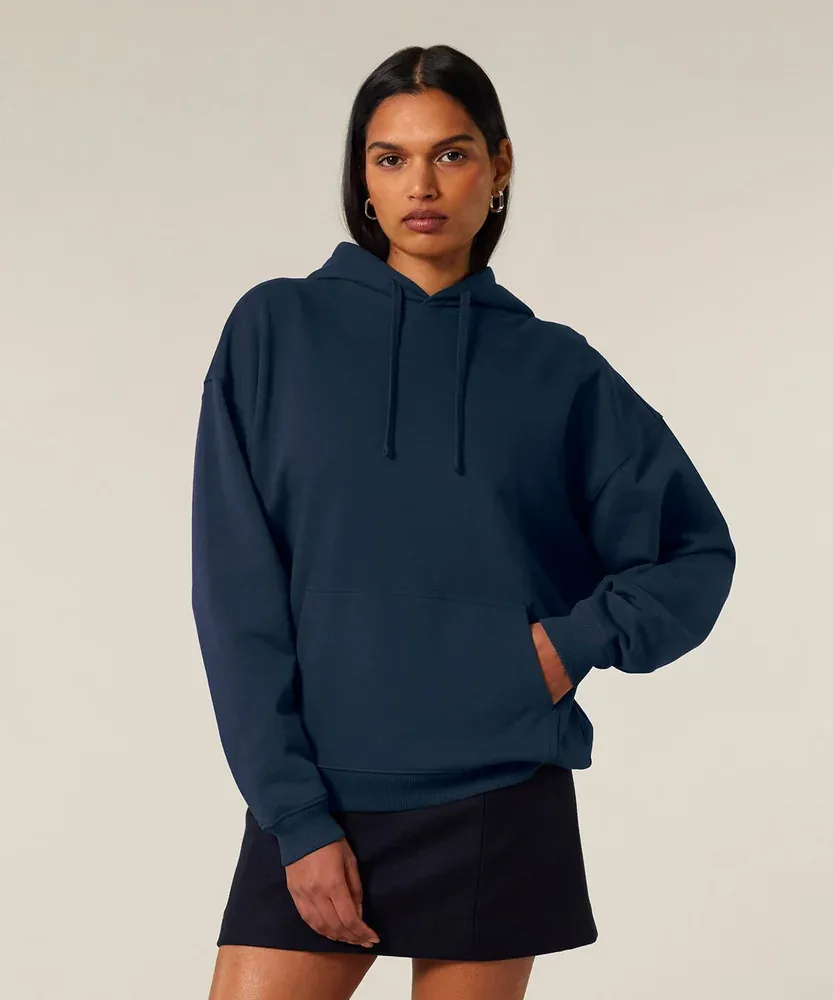
It is the range we suggest most often when a customer is looking for organic credentials without the garment announcing them, which covers most fashion labels, record labels and studios. The colour range is unusually varied, so a whole collection can sit in one palette, and the heavyweight styles such as the Slammer 2.0 can carry a big back print as comfortably as a small chest embroidery. Certification is the other half of it: if your customers ask where the cotton came from (and they do), Stanley/Stella is a brand with an answer.
B&C Collection
A European range built for decorators, and the one to reach for when you have a job that runs across several different garments that all have to look like one set. Colours are matched from one style to the next, so a polo, a tee and a hoodie ordered in the same shade sit together properly rather than almost matching, and the sizing stays predictable across the range. The fabric takes screen printing and direct to garment cleanly, and B&C is a certified B Corp, which is worth having in your back pocket when a buyer asks about the supply chain. The BA434 (WG008) pullover and BA435 zip hoodie from this range both feature in our best blank hoodies list too.
Alstyle
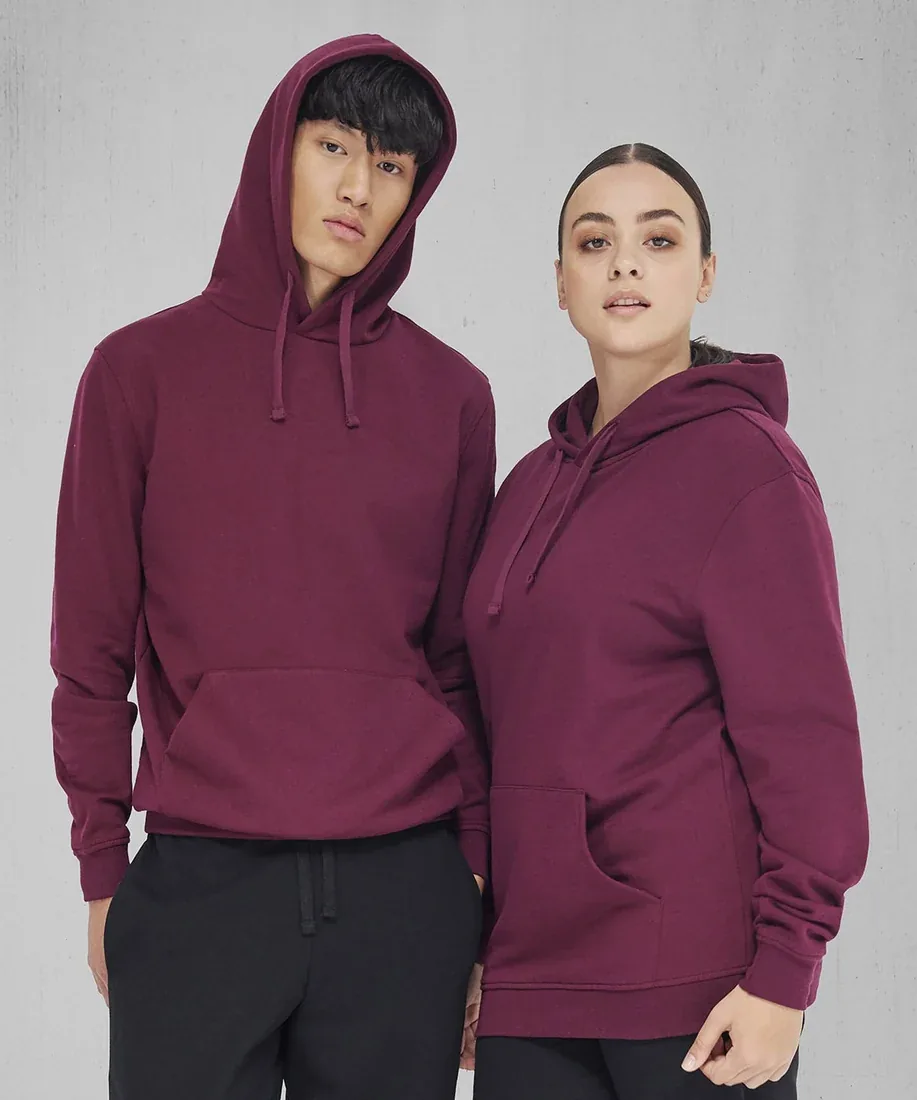
This is the one to reach for when you are starting your own clothing brand. Every single Alstyle garment has a tear-away label, so it can be removed cleanly and our relabelling service can replace it with your own, and the quality is extremely consistent from one order to the next.
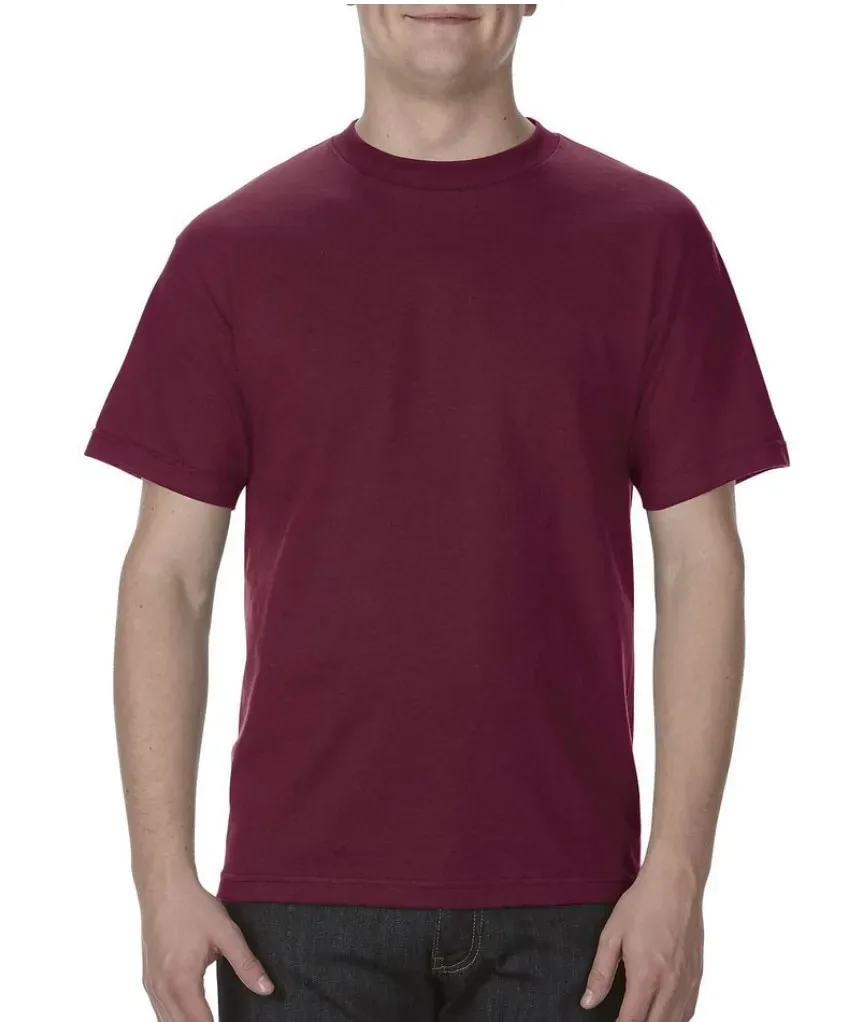
The 1301 is a classic fit 205gsm t-shirt, 100% cotton in the majority of colours and available in over 30 shades. It takes screen printing and full colour direct to garment printing equally well. Alstyle began in California and joined the Gildan family of brands in 2016, and it is a favourite with our skate and surf brands. Since 2023 the 1301 has also been sold under the American Apparel label, with the same product number. Our guide to the Alstyle 1301 and 1304 covers both styles in detail.
For Value on Larger Runs
When the garment is the carrier rather than the product, cost per unit and stock availability are the major contributors. Both of these cover the bulk of event, giveaway and high volume work.
Gildan
The default choice for high volume work where cost per unit is the deciding factor. Consistent, widely stocked and perfectly good for event tees, giveaways and anything where the garment is not the product.
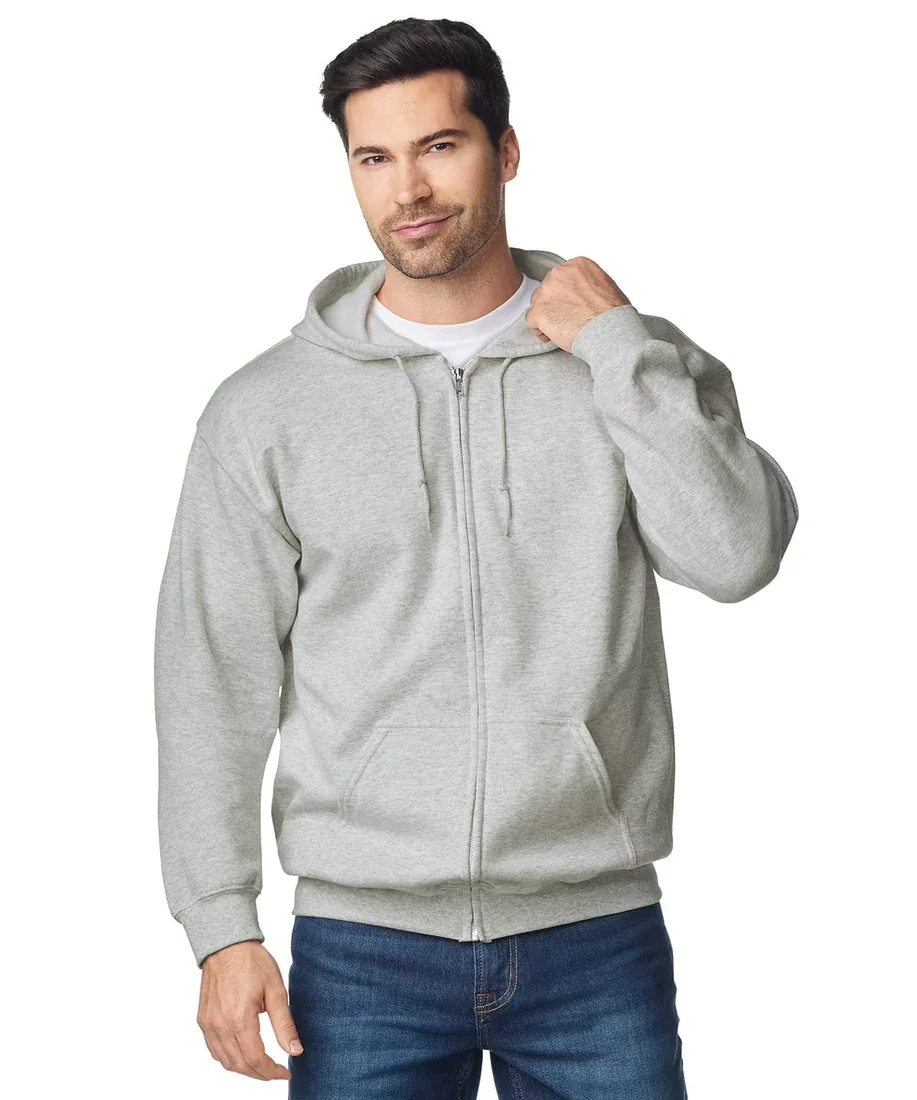
Gildan's real advantage on a big order is depth of stock. On a run of several thousand printed t-shirts, the brand that can actually supply every size on the day beats the brand that is nicer in the hand but short on mediums. Gildan also offers tees, polos and hooded sweatshirts, so a whole event can sit on one brand with one consistent colour, which saves a lot of grief when you are mixing products.
Fruit of the Loom
Dependable and broadly available, with a wide colour range. A sensible pick when you need a lot of garments in a lot of colours without stretching the budget.
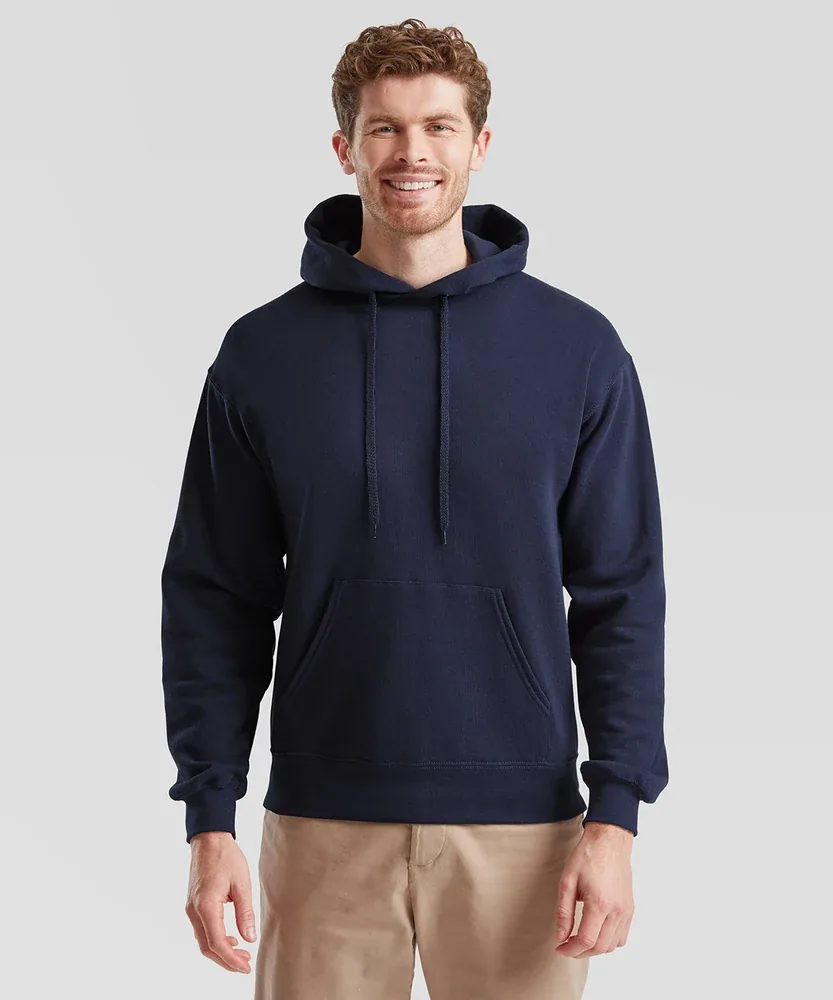
The colour range is the reason Fruit of the Loom keeps coming up. Schools, universities, clubs and festivals often need a garment in a specific shade, or a different colour per year group, team or crew, and few ranges at this price cover as many. It is a well known brand throughout the world too, which counts for something when a committee is signing off the order.
For Organic and Sustainable Ranges
Certification is the point here. If sustainability is part of what you are selling, the claim has to belong to the garment rather than to the printing, and these ranges hold the paperwork.
Earth Positive (formerly Continental Clothing)
Continental Clothing has recently been renamed Earth Positive, and it is an easy choice when certified organic cotton is the priority and you still want a garment that leaves an amazing print. The compact spun cotton gives a smooth surface for screen printing, and the range runs from the EP01 t-shirt to hoodies, sweatshirts and tote bags, so an organic order can stay on one brand from top to bottom, which is very useful when mixing garments.
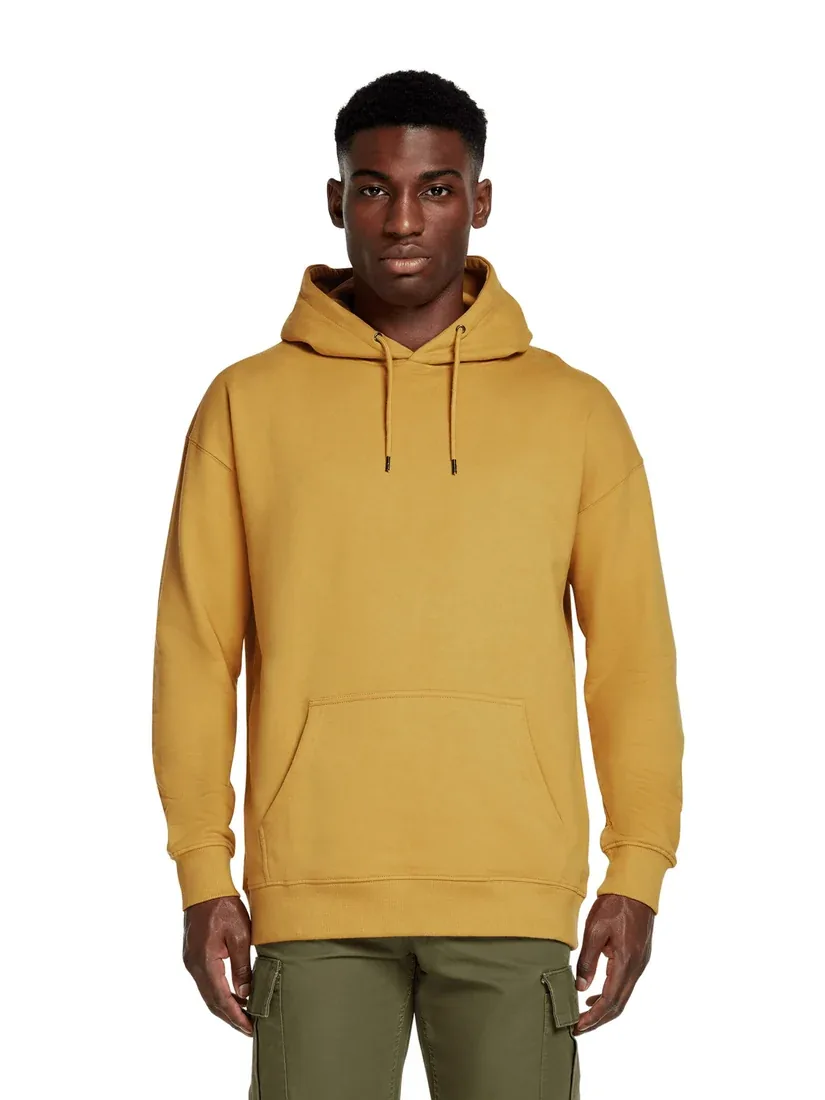
The pullover hoodie is the one you will have seen the most, in 100% GOTS organic cotton and made without any polyester, which rules out microplastic shedding in the wash. That last point is good knowledge if you are writing product copy, because it is a specific claim you can make rather than a vague one. It is on our best blank hoodies list for the same reason.
The credentials also go further than the cotton. Earth Positive says it has cut its carbon footprint by around 90% since 2008, verified by the Carbon Trust, and has also been a member of the Fair Wear Foundation since 2006.
For Workwear and Outdoor
If the garment is going to be worn on a site daily rather than in an office, it needs to survive weather (good and bad), washing and daily wear, and the branding has to survive with it. These three cover jackets, fleeces, softshells and hi vis between them, and our guide to the best branded workwear to customise picks a garment for every job.
Regatta Professional
The broadest outdoor range of the three, offering softshells, fleeces, waterproofs and insulated jackets.
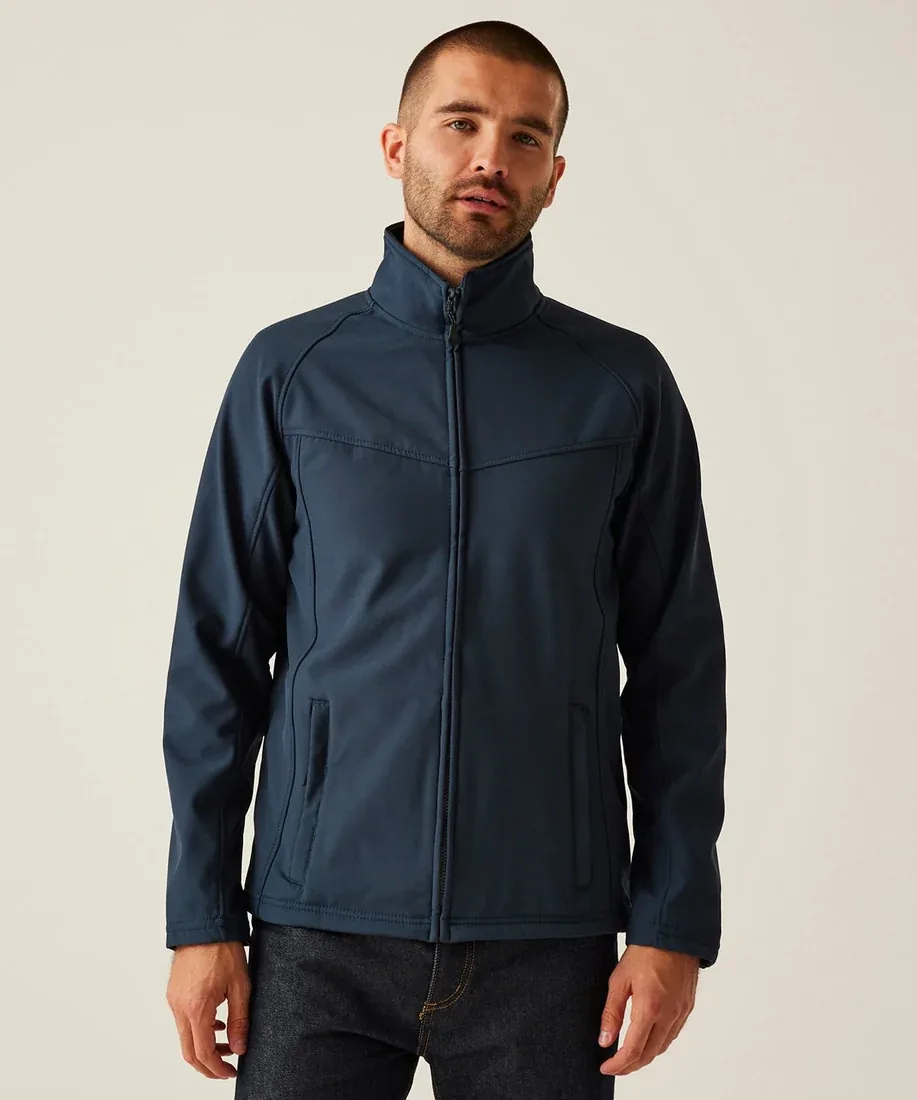
It is the one we suggest when a team works outdoors all year and needs layers that can be branded to match, because a softshell for spring and a heavier jacket for winter can carry the same embroidered logo in the same position. The Uproar softshell and the Classic 3 in 1 jacket both appear in our guide to the best waterproof jackets to brand.
Result
Strong on the practical middle of the market: fleeces, lined jackets and softshells that do a job without the price of a technical outdoor brand.
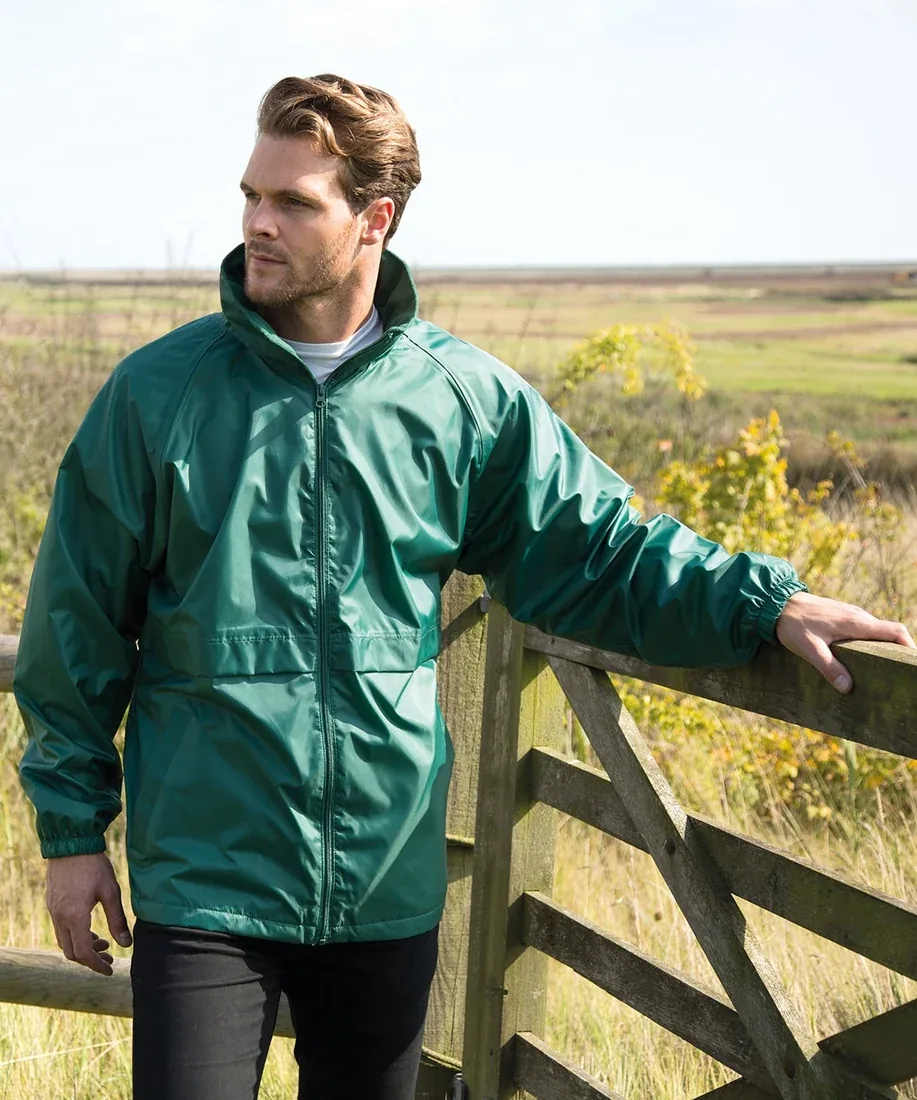
The Core microfleece lined jacket is a regular for us on staff kit, where the customer wants something warm and weatherproof that still looks tidy on a customer facing team. Result also sits well alongside heavier workwear, so a crew can have a light layer and a site jacket branded identically.
Portwest
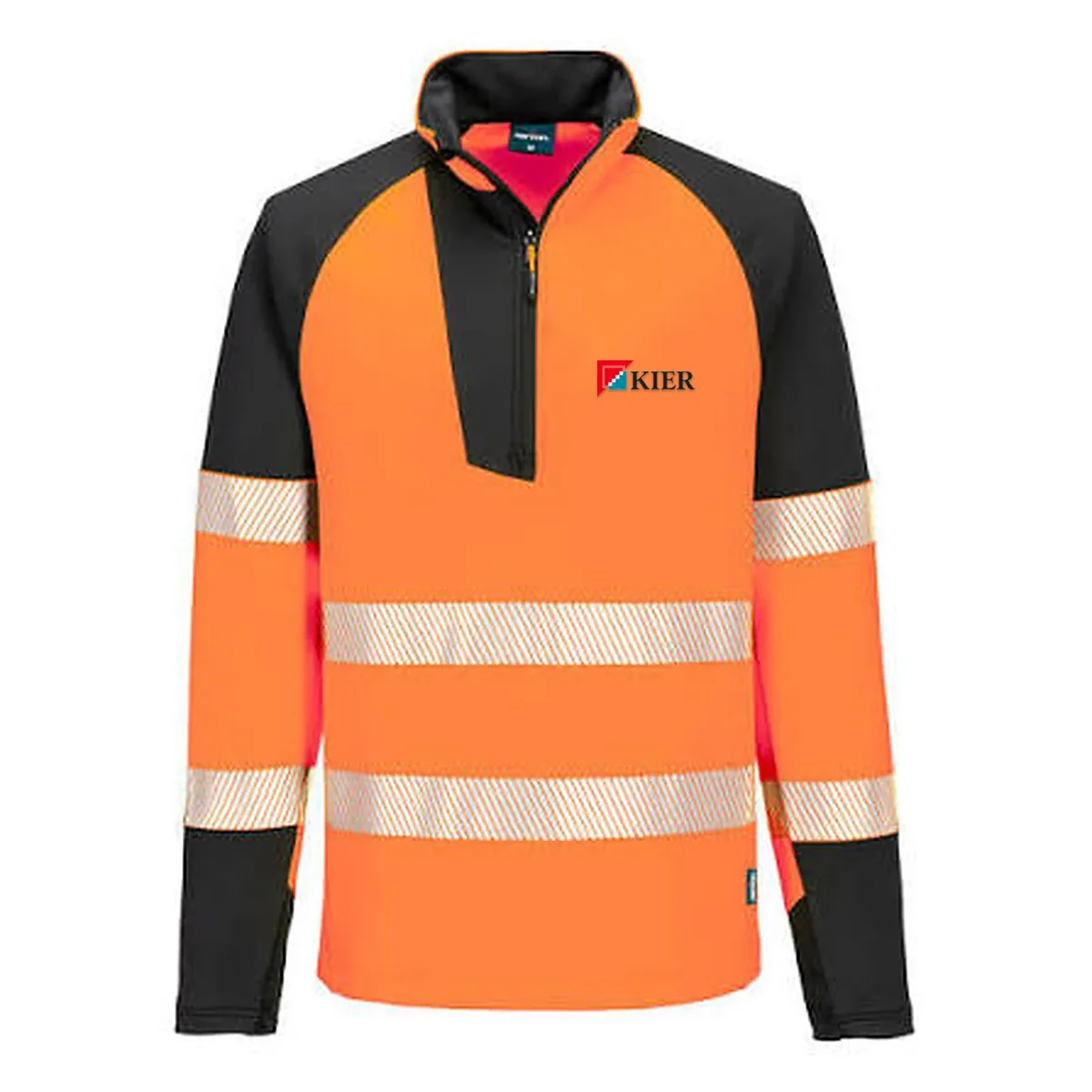
The one to look at when safety standards are part of the specification rather than a nice to have. Hi vis is where it earns its place, and branding hi vis has its own rules: the logo has to sit where it does not interrupt the reflective banding, which usually means high on the chest or on the back above the tape. The Hi vis contrast bomber jacket is the style we brand most from this range. If your team spans site and office, it pairs naturally with the layers above, and our guide to work hoodies covers the indoor half of the same wardrobe.
Matching the Brand to the Job
Work backwards from the job. If the garment is being given away, prioritise cost and availability. If it is being sold, prioritise weight, fit and finish, because the customer is paying for the garment as much as the design and print. If sustainability is a big part of your brand story, choose a certified range and announce it on the label.
A few pairings come up again and again. Event and giveaway tees in volume go to Gildan or Fruit of the Loom. Merchandise that will be sold goes to AS Colour or Stanley/Stella. Staff uniform across several garment types goes to B&C, because the colours match from style to style. Anything worn outdoors goes to Regatta, Result or Portwest depending on whether the priority is weather, price or safety standards. Certified organic goes to Stanley/Stella or Earth Positive. A clothing brand that wants to sell under its own label goes to Alstyle, because every garment has a tear-away label.
You are also not stuck on one brand. Plenty of orders run two brands at once, a premium hoodie for the team and a budget tee for the crowd, with the same print or embroidery on both garments.
Printing or Embroidery on Branded Clothing
The brand and the decoration method are separate decisions, but they often affect each other. A smooth, tightly knitted cotton takes a crisp screen print. A heavy brushed fleece takes embroidery better than it takes fine printed detail, because the pile lifts under thin lines.
Embroidery is the default technique for uniform and workwear. Stitches will not crack or fade in the wash, and an embroidered chest logo reads as a uniform rather than as merchandise. It suits polos, fleeces, jackets and softshells, and it is the only sensible option on a garment that gets washed several times a week for years.
Screen printing is the go-to for volume and when exact Pantone colour matching is required. It gives the lowest unit price once the numbers climb, holds a precise colour match, and handles large front and back graphics that embroidery would make heavy and expensive, as embroidery is priced on the stitch count. It is what most merchandise runs use, and it takes speciality finishes such as puff printing for a raised, 3D effect.
There are other options where those two do not fit, including direct to film transfers for detailed full colour artwork on shorter runs and all over printing where the design runs over the seams. Our guide to printing techniques goes through each one and what it suits.
Before You Order
Sizing is the thing that catches a lot of people out. Fit is not consistent between brands, and a medium in a modern retail cut is not a medium in a traditional workwear cut. One brand can differ from the next. If you are ordering for a team whose sizes you are guessing, get a sample of the actual style first and let people try it, because reordering half a run in different sizes costs far more than one sample would.
Check colour across styles if your order spans more than one garment. Most brands do not guarantee that the navy on a polo matches the navy on a hoodie, which is the exact reason why B&C is worth considering on a mixed uniform order.
Check stock before you make a final decision on a colour, particularly on seasonal shades and on the largest and smallest sizes. Send your artwork in the best quality you have, ideally as a vector file, since that is what gives the cleanest result whichever method ends up being used.
The full clothing catalogue has everything we can source in one place.
Minimum Orders and Help Choosing a Brand
Orders start with a minimum quantity of eight units, or twenty when the job is screen printed, so you do not need a warehouse full of stock to put your logo on decent clothing. Mixed sizes cost no extra, and artwork only needs preparing once no matter how many garments it ends up on.
If you would rather not wade through the options, tell us the budget, the quantity and what the garments are for, and we will put two or three brands in front of you with prices, so you are choosing between real options rather than guessing from a catalogue. Our team are only too happy to offer advice.
Regarding price, most of the difference between brands is in the blank itself. The decoration is priced on the technique, the number of colours or stitches and the number of print positions, so the same logo costs much the same to print on a budget tee as on a premium one. Dark garments can add a little to a screen print, because the design needs a white base layer underneath to stay bright.
How to Order Branded Clothing
Four steps from first enquiry to delivered order, with one point of contact the whole way through.
Tell Us What You Need
Send over the garment you have in mind, or just the job it is for, along with a headcount and size split, your artwork and your deadline. A dedicated Account Manager will come back to you within 15 minutes with brand options and pricing.
Place Order
We send a free visual proof within 30 minutes of your order being confirmed, so you can be certain the logo is the size and in the position you want on that particular garment before anything is decorated.
Printed or Embroidered In House
Embroidered artwork is digitised into a stitch file and sewn out on a test piece first. Printed artwork is screen printed, DTG or DTF printed by our own team. Either way every garment is checked before it is folded and packed. Standard turnaround is six to seven business days from artwork approval, with express available on request.
Delivered To Your Door
Tracked delivery using the most reliable couriers in the UK, with shipping into Europe and worldwide whenever you need it.
Get a quote for branded clothingor call 0208 064 1315
Clothing Brand FAQs
Which clothing brand is best for custom printing and embroidery?
There is no single best one, because the right brand depends on what happens to the garment. For merchandise that gets sold, AS Colour and Stanley/Stella. For high volume giveaways, Gildan or Fruit of the Loom. For staff uniform across several garment types, B&C. For outdoor and site work, Regatta, Result or Portwest. Tell us the job and we will narrow it to two or three.
What is the minimum order for branded clothing?
It depends on the technique. Embroidery, direct to garment and direct to film all start at eight units. Screen printing starts at twenty, because a screen has to be made for each colour in the design whatever the length of the run. After that the more you buy the cheaper the unit price gets, because the setup work is the same whether it covers twenty garments or eight hundred.
Can we mix brands and styles in one order?
Yes, as long as each style meets the minimum for its technique on its own. Mixed sizes cost no extra, and the artwork only needs preparing once, so running a premium hoodie for the team alongside a budget tee for everyone else is a common and sensible way to spend a budget.
Which clothing brands are best for organic and sustainable merchandise?
Stanley/Stella and Earth Positive, formerly Continental Clothing. Both carry certification rather than general claims, which is what you need if sustainability is going on your label or in your marketing. Earth Positive is the one to look at when low carbon organic cotton is the priority.
Which brands should we use for branded workwear and hi vis?
Portwest where safety standards are specified, Regatta Professional for the broadest range of outdoor layers, and Result for practical fleeces and lined jackets at a sensible price. On hi vis the logo has to be placed so it does not interrupt the reflective banding, which we will flag on the proof before anything is decorated.
Does a premium brand cost more to print on?
The blank costs more, but the printing or embroidery itself is priced on the technique, the number of colours or stitches and the number of positions, not on the brand. A logo costs much the same to decorate on a Gildan tee as on an AS Colour one, so the brand choice mostly changes the garment price.
How long does branded clothing take to produce?
Standard turnaround is six to seven business days from artwork approval, with express available on request. The proof comes back to you within 30 minutes of order confirmation, so the clock does not start on a design you have not seen yet.
Ready to personalise a brand you trust?
hello@1worldprint.co.uk · 0208 064 1315
Locations
20-22 Wenlock Road
London
N1 7GU
0208 064 1315
Visits by appointment onlyManchester Address
First Floor, Swan Buildings
20 Swan Street
Manchester
M4 5JW
0161 457 6080
Visits by appointment only